
Stretched bar LCD displays have evolved from niche products into versatile visual communication tools deployed across diverse industries and applications. Their unique form factors enable visual installations impossible with conventional rectangular displays, creating opportunities for differentiation and enhanced user experiences in retail, transportation, industrial, and consumer environments. This comprehensive guide explores the ten most impactful applications for stretched bar displays in 2026, examining how businesses across sectors are leveraging these ultra-wide screens to transform their operations and customer interactions.
1. Retail Shelf Edge and Smart Shelf Applications
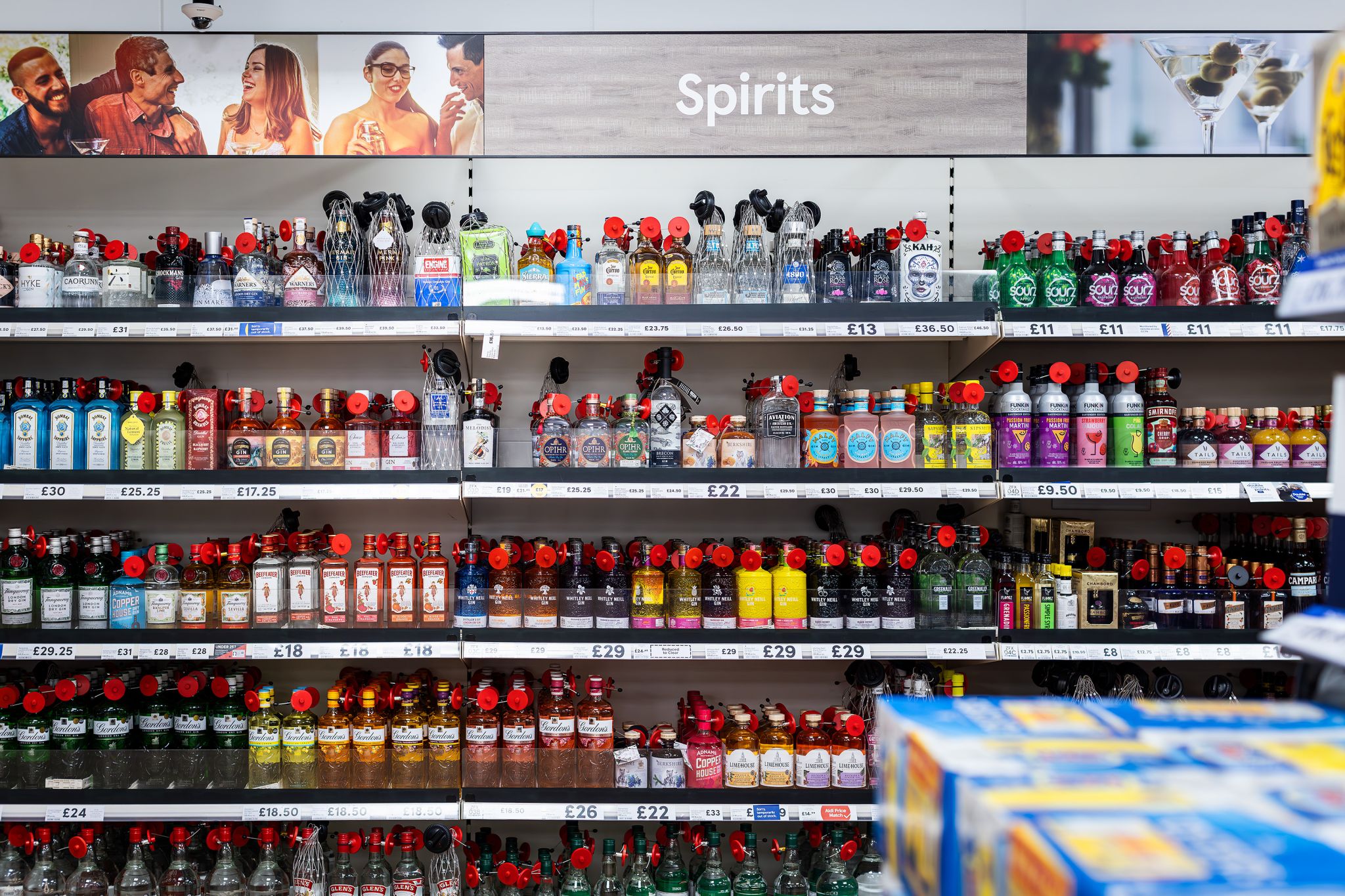
Retail environments represent the largest and most mature market for stretched bar LCD displays, with shelf edge applications demonstrating the form factor’s unique value proposition. Traditional retail shelves display product information through static price tags requiring manual replacement during promotions or price changes, creating labor costs and error potential that digital alternatives can eliminate. Stretched bar displays positioned at shelf edges deliver dynamic pricing, promotional messaging, and brand content while maintaining visibility for shoppers navigating aisles throughout stores.
Smart shelf implementations extend beyond simple price display to incorporate inventory monitoring, interactive content, and data collection capabilities. Displays integrated with weight sensors can detect product availability, triggering automatic replenishment alerts when inventory depletes. Camera integration enables planogram compliance monitoring, ensuring products are positioned according to established merchandising standards. Interactive implementations allow shoppers to access product information, reviews, or recipes through touch or proximity-based interactions, creating engagement opportunities impossible with static signage.
Major retail chains have deployed millions of shelf edge displays across store networks, generating substantial operational savings through reduced labor requirements for price management while simultaneously enabling dynamic promotional capabilities that drive sales performance. The return on investment from shelf edge display deployments typically achieves payback within twelve to eighteen months through labor savings and promotional effectiveness improvements, establishing clear business cases for continued deployment expansion.
2. Transportation Information and Passenger Display Systems
Transportation hubs including airports, train stations, and bus terminals have emerged as major deployment environments for stretched bar LCD displays, where the extended horizontal format proves uniquely suited to information presentation requirements. Traditional transportation signage used LED dot-matrix or LCD matrix displays with limited resolution and visual quality, but stretched bar LCD displays now enable high-resolution information presentation combined with advertising content within single display installations.
Airport gate displays increasingly employ stretched bar formats showing flight information alongside advertising content, maximizing revenue generation per display installation while providing passengers with clear, readable information. The extended horizontal format accommodates flight numbers, destinations, times, and gate assignments while simultaneously displaying advertising content without compromising information clarity. Train station platforms utilize stretched bar displays for departure information, with the format enabling display of multiple train services simultaneously across extended platform lengths.
Public transportation vehicles including buses and trains incorporate stretched bar displays for passenger information, displaying routes, next stops, and connection information in formats that maximize readability within vehicle interiors. The slim vertical profiles of stretched bar displays enable installation in space-constrained vehicle interiors where conventional displays would prove impractical, while the extended horizontal formats accommodate comprehensive information presentation within single displays.
3. Elevator and Vertical Transportation Displays
Elevator cab interiors represent significant deployment opportunities for stretched bar LCD displays, where the elongated format fits naturally within elevator design constraints while providing comprehensive information display capabilities. Traditional elevator displays used simple numeric indicators or small rectangular LCD panels showing floor numbers and basic directional information. Modern elevator displays employing stretched bar formats transform these traditionally utilitarian elements into comprehensive information and advertising platforms.
High-rise building elevators utilize stretched bar displays showing building information, tenant directories, weather updates, news headlines, and advertising content during passenger journeys. The extended format enables simultaneous presentation of diverse information categories without the crowding that would result from conventional display installations. Luxury hotels employ premium stretched bar displays as standard elevator equipment, incorporating branded content, amenity information, and local guides that enhance guest experiences and reinforce brand positioning.
The elevator display market has experienced substantial growth as building owners and property managers recognize the revenue generation potential from advertising-equipped displays and the tenant service improvements from comprehensive information presentation. Building codes and accessibility requirements increasingly influence display specifications, with stretched bar formats enabling compliance with information display requirements while maintaining aesthetic integration with elevator interiors.
4. Industrial Control Panels and Human Machine Interfaces
Industrial environments present demanding display requirements that stretched bar LCD formats increasingly address through specialized product development. Control rooms, manufacturing floors, and process facilities require displays capable of presenting complex information including process schematics, production metrics, quality data, and alarm notifications within space-constrained panels and workstations. The extended horizontal formats of stretched bar displays enable comprehensive information presentation that conventional rectangular displays cannot achieve within equivalent horizontal space allocations.
Human machine interface (HMI) panels in manufacturing environments increasingly employ stretched bar formats to present process information, equipment status, and operational controls within operator workstations. The format enables simultaneous display of multiple information categories including process graphics, trending data, alarm summaries, and navigation controls that would require multiple conventional displays to present equivalently. Specialized industrial-grade stretched bar displays provide extended temperature ranges, vibration resistance, and long-life components suitable for demanding industrial deployment environments.
The industrial display market emphasizes reliability, longevity, and integration capabilities beyond those required for consumer or commercial applications. Industrial stretched bar displays typically specify operational lifespans exceeding 50,000 hours, extended temperature ranges from -30°C to +85°C, and comprehensive sealing against dust and moisture exposure. These specifications command substantial price premiums compared to commercial alternatives but prove essential for reliable industrial deployment.
5. Smart Appliance and Consumer Electronics Displays
Consumer appliances increasingly incorporate display systems that leverage stretched bar formats for user interface applications. Refrigerator doors, washing machine control panels, oven interfaces, and coffee maker displays employ elongated display formats that provide information display within narrow vertical dimensions while maximizing horizontal information density. The integration of displays into appliance interfaces reflects broader smart home trends emphasizing connected devices with enhanced user experiences.
Refrigerator display implementations demonstrate the stretched bar format’s particular suitability for appliance applications. Modern refrigerator displays present temperature settings, mode indicators, connectivity status, and increasingly comprehensive information including calendar updates, weather forecasts, and family notes. The elongated format fits naturally within refrigerator door frames while providing substantially greater information display capability than conventional circular or rectangular displays previously used in appliance interfaces.
Smart home hub devices and connected speakers increasingly incorporate stretched bar displays presenting information including time, weather, music playback, and smart home status within compact form factors that conventional displays cannot achieve. These applications demonstrate how stretched bar formats enable information display integration into devices and environments where display space is constrained but comprehensive information presentation remains desirable.
6. Automotive and Transportation Vehicle Displays
Vehicle interiors increasingly incorporate display systems in dashboards, infotainment panels, and passenger entertainment applications. The unique design requirements of automotive interiors, with curved surfaces and unusual mounting constraints, create demand for display formats beyond conventional rectangular panels. Stretched bar displays serve instrument clusters, center stack displays, and passenger entertainment applications where the elongated format accommodates design requirements and information presentation needs that conventional displays cannot meet.
Automotive instrument clusters have evolved from mechanical gauges to digital displays presenting speed, navigation, vehicle status, and driver assistance information within consolidated interfaces. The stretched bar format enables comprehensive instrument cluster presentation across extended dashboard widths while maintaining the slim vertical profiles that contemporary automotive interior designs require. Premium vehicle manufacturers increasingly differentiate their products through advanced display implementations that leverage stretched bar formats for visual impact and comprehensive information presentation.
Passenger entertainment applications in vehicles, aircraft, and marine vessels utilize stretched bar displays for video entertainment, information presentation, and connectivity features. The extended horizontal formats provide immersive viewing experiences that enhance passenger comfort and distinguish premium transportation services. Aviation applications particularly emphasize display reliability and quality, with passengers expecting entertainment systems comparable to home entertainment experiences.
7. Medical and Healthcare Display Applications
Healthcare environments present specialized display requirements that stretched bar LCD formats increasingly address. Patient monitoring equipment, medical imaging displays, and hospital information systems employ displays that must meet stringent performance and reliability specifications while providing accurate, clear information presentation essential for clinical decision-making. The elongated formats enable comprehensive patient data presentation within space-constrained clinical environments.
Patient monitoring displays employ stretched bar formats presenting vital signs, alarm status, and clinical documentation within single-display interfaces that reduce the visual fragmentation associated with multiple conventional displays. The format enables simultaneous presentation of multiple patient parameters with clear visual hierarchy that supports clinical awareness and rapid response to changing patient conditions.
Healthcare facility wayfinding and information displays leverage stretched bar formats to guide patients and visitors through complex hospital environments while providing health education content and service information. The extended format enables comprehensive information presentation within architectural constraints that conventional displays cannot accommodate, while high-brightness specifications ensure visibility in challenging lighting conditions common in healthcare facilities.
8. Gaming and Entertainment Venue Displays
Entertainment venues including casinos, arcade facilities, and gaming centers have adopted stretched bar displays for both gaming equipment interfaces and ambient environmental effects. Slot machine displays, gaming table interfaces, and property-wide signage employ the format to create immersive environments and comprehensive information presentation impossible with conventional displays.
Casino environments particularly emphasize visual impact, with stretched bar displays employed in gaming machine interfaces, property signage, and environmental effects that create distinctive atmospheres differentiating gaming properties. The extended formats enable dramatic visual presentations that enhance gaming experiences and reinforce brand positioning in highly competitive entertainment markets.
Esports venues and gaming arenas utilize stretched bar displays for scoreboards, player statistics, and live event presentation within competition environments requiring comprehensive information display for large audiences. The format enables presentation of game information, competitor statistics, and real-time updates within visual frameworks that maintain visibility across substantial viewing distances characteristic of competitive gaming venues.
9. Hospitality and Hotel Display Applications
Hotel environments increasingly incorporate display systems that enhance guest experiences and streamline operations. Guest room displays, lobby signage, conference room interfaces, and back-of-house systems all benefit from stretched bar formats that enable comprehensive information presentation within space constraints typical of hospitality environments.
Guest room televisions in premium hotel properties increasingly incorporate stretched bar formats that provide immersive viewing experiences while fitting naturally within room designs. The extended aspect ratios create cinematic viewing experiences that differentiate premium hospitality offerings from standard guest room accommodations. Interactive hotel room panels employ stretched bar formats for room control, service ordering, and information presentation that enhance guest convenience while reducing operational costs through automation.
Lobby and public area displays in hotels utilize stretched bar formats for welcome messages, wayfinding, event information, and promotional content within architectural constraints that conventional displays cannot accommodate. Conference and meeting room displays present meeting schedules, presentation content, and event information within formats that enable clear readability from room occupants.
10. Architectural and Environmental Display Installations
Architectural installations increasingly incorporate stretched bar displays as integral design elements rather than afterthought additions. Building facades, interior architectural features, and environmental displays employ displays as materials that define spaces rather than merely presenting information. The elongated formats enable integration into architectural elements including columns, ceilings, and wall panels that conventional displays cannot accommodate.
Retail environment architecture incorporates stretched bar displays as ceiling elements, column wraps, and fixture components that create immersive brand environments within physical retail spaces. The format enables continuous display installations spanning substantial horizontal distances without the bezels or seams that fragment conventional multi-display video walls. Architectural applications emphasize display thinness and mounting flexibility enabling integration into diverse architectural contexts.
Public art installations and environmental displays employ stretched bar formats as artistic media, with displays incorporated into sculptures, landscape features, and building elements that transform architectural spaces. These applications demonstrate how display technology has evolved from purely functional information presentation to medium for artistic expression and environmental design.
Conclusion: Expanding Applications Across Industries
The applications highlighted in this guide demonstrate the remarkable versatility of stretched bar LCD displays across diverse industries and use cases. From retail shelves to transportation hubs, industrial control rooms to automotive interiors, the unique form factors of stretched bar displays enable installations and experiences impossible with conventional rectangular panels. As display technology continues advancing and costs decline, additional application categories will emerge, expanding the addressable market for these versatile visual communication tools.


Leave A Comment