
So you’ve picked out your stretched bar display, figured out the right brightness for your environment, and now you’re staring at a long rectangular screen wondering how the heck you’re actually going to attach this thing to something. Welcome to the wild world of bar display mounting. It’s more varied than you might think, and picking the right installation method can make the difference between a sleek, professional setup and something that looks like you duct-taped a TV to a pole in a moment of desperation.
Why Mounting Matters More Than You’d Expect
Before we dive into the options, let’s talk about why mounting deserves your attention. A poorly mounted display doesn’t just look bad—it can actually impact performance. Heat dissipation depends on proper airflow around the unit. Cable management affects both aesthetics and maintenance access. And let’s not forget the basic question of whether your screen will stay where you put it, especially in high-traffic commercial environments where someone might bump into it, accidentally or otherwise.
Bar displays are unique because of their shape. That long, narrow profile opens up some mounting possibilities that traditional square screens can’t easily achieve. But it also creates challenges, particularly around weight distribution and structural support. A 55-inch traditional TV distributes its weight across a relatively compact area. A 55-inch bar display? That weight is spread out over three feet of space, which changes the game entirely.
Wall Mounting: The Workhorse Option
Wall mounting is exactly what it sounds like—attaching your stretched display directly to a vertical surface. It’s the most common approach for good reason: it’s straightforward, relatively inexpensive, and works in countless environments. Retail stores mount bar displays above shelves to highlight products. Restaurants install them behind bars to show menus and specials. Corporate offices use them in hallways for wayfinding and announcements.
Most wall mounts for bar displays come in two flavors: fixed and tilting. Fixed mounts keep your screen pressed flat against the wall, which creates the cleanest look but offers zero flexibility. Tilting mounts let you angle the display downward (or upward, in some cases), which is useful when you’re mounting above eye level and need to improve viewing angles. For bar display mounting above a retail shelf, a 15-30 degree downward tilt often works beautifully.
One thing to consider with wall mounting: the wall itself matters. Drywall alone won’t hold a heavy commercial display—you’ll need to anchor into studs or use appropriate wall anchors. Concrete, brick, or block walls require different hardware altogether. If you’re mounting in a retail space, check with a contractor or facilities manager before drilling holes. Finding out the hard way that you’re about to drill through a plumbing pipe or electrical conduit is a bad day.
For commercial installations, look for mounts with built-in security features. Some mounts include locking mechanisms that prevent the display from being removed without a key. Others have visible bolts that can be secured with padlocks. These deterrents matter in public spaces where unattended displays might otherwise become targets.
Ceiling Mounting: Hanging It Up
Ceiling mounting flips the problem around entirely. Instead of worrying about wall studs, you’re now dealing with ceiling joists or concrete slab above. The upside is that a ceiling-mounted bar display can create a dramatic, almost floating appearance that catches the eye in retail environments, airports, and other high-traffic spaces.
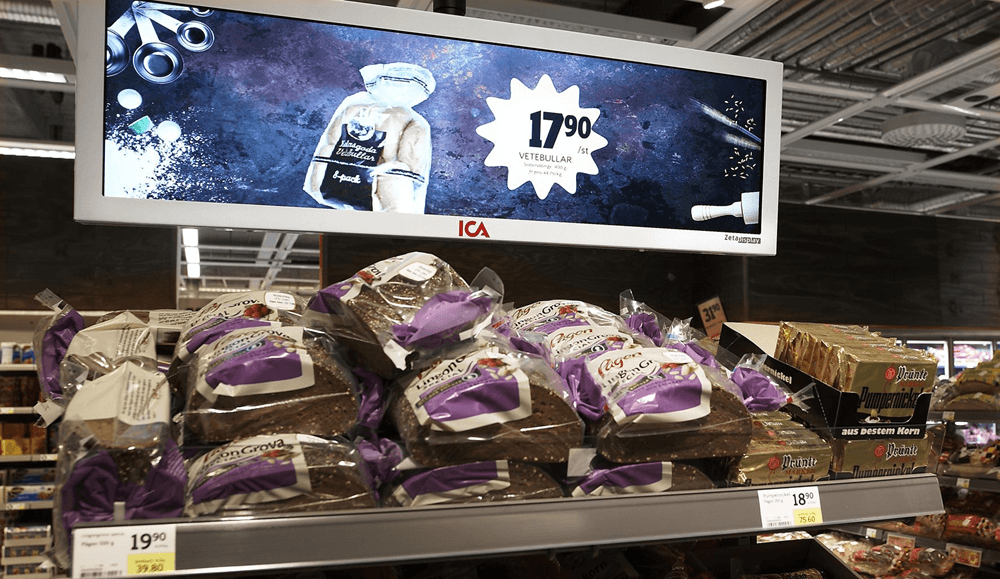
Suspended ceiling mounts are common in commercial buildings with drop tile ceilings. These mounts typically include a hanging rod or cable that attaches to the ceiling grid or the structural ceiling above. The display hangs down at whatever height you choose, and most mounts include adjustment mechanisms to level the screen. This approach works particularly well in grocery stores, where bar displays are often mounted between shelf rows to guide shoppers.
For higher position applications—think airport terminals or large warehouse—you might be looking at true pendant mounts that hang from tall ceilings. These require longer drop rods or cables, and you’ll definitely want a professional installer involved. The height affects both viewing angles and the perceived size of the display, so mock up the position before committing.
One often-overlooked aspect of ceiling mounting: vibration. In environments with air conditioning systems, ceiling-mounted displays can pick up subtle vibrations that cause headaches over time (both literal and figurative). Look for mounts with vibration-dampening features, or at least ensure your mount has solid connections that won’t loosen over time.
Rail Mounting: The Flexibility Champion
Here’s where bar display installation gets interesting. Rail mounting involves installing a horizontal rail system—usually aluminum extrusion profiles—and then attaching the display to the rail using sliding brackets. This approach is incredibly popular in transportation applications (think bus and train destination displays) and in retail environments where displays need to be repositioned frequently.
The beauty of rail mounting is flexibility. Need to move your bar display six inches to the left? Loosen the brackets, slide it over, tighten them back up. Done. This is invaluable when you’re testing different layouts or when seasonal promotions require display repositioning. Some rail systems allow for quick-release brackets that let you remove the display entirely without tools, which is handy for maintenance or when you need to clean behind the unit.
Rail installations typically require more upfront planning and investment than simple wall mounts, but they pay dividends over time. The rail itself provides structural support along the entire length of the display, which is particularly valuable for longer bar displays that might otherwise sag slightly in the middle. And because the weight distributes across the rail, you can often mount on surfaces that wouldn’t support a traditional wall mount.
For transit applications, rail-mounted bar displays often include additional features like vibration resistance ratings and secure locking mechanisms. These displays need to keep working while the vehicle is moving, which means extra attention to how the mount handles bumps and jolts.
Shelf Mounting: Integrated and Inconspicuous
Shelf mounting is exactly what it sounds like—installing your bar display on a shelf, typically within a retail gondola or display fixture. This approach works beautifully in supermarkets, pharmacies, and any retail environment where you want the display to feel like part of the fixture rather than an afterthought bolted to the wall.
The key advantage of shelf mounting is integration. Your bar display becomes part of the product display, drawing attention to the items on that particular shelf. A well-designed shelf mount positions the screen at shelf-edge level, where it’s naturally eye-level for someone standing in the aisle. This proximity also means you can use a smaller, lower-brightness display, since viewers are much closer to the screen.
Most shelf mounts are essentially brackets that attach to the shelf edge or underside. Some are simple L-brackets; others are more sophisticated systems with cable management built in. The challenge with shelf mounting is often structural—shelves aren’t always designed to support the weight of a commercial display, especially when that weight is concentrated at one point.
You also need to think about power and connectivity. Routing cables neatly through a retail fixture requires planning, particularly if you want to avoid visible cords. Many retailers work with fixture manufacturers who can incorporate power and data connections directly into the gondola design, hiding everything behind the fixture panels.
Making the Right Choice for Your Setup
So how do you decide which mounting method is right for your stretched screen installation? Start by asking yourself a few key questions. Where is the display going, and what’s the viewing angle requirement? How often will it need to be moved or adjusted? What’s the structural situation of the mounting surface? What’s your budget for both initial installation and ongoing maintenance?
For most retail applications where the display will stay in one place, wall or shelf mounting offers the best combination of simplicity and effectiveness. If you’re in a transit environment or need frequent repositioning, rail mounting is worth the investment. And if ceiling height and sightlines favor a hanging display, ceiling mounting creates that sleek, modern look that catches the eye.
Whatever you choose, don’t skimp on the hardware. The cost of a quality mount is tiny compared to the cost of replacing a damaged display—or worse, dealing with a display that fell and injured someone. Commercial-grade mounts from reputable manufacturers are designed for continuous use and include features that budget options simply don’t offer. Your installer should be able to recommend appropriate hardware for your specific situation.
The right mounting solution transforms your bar display from a screen on a wall into an integrated part of your environment. Take the time to get it right.


Leave A Comment