
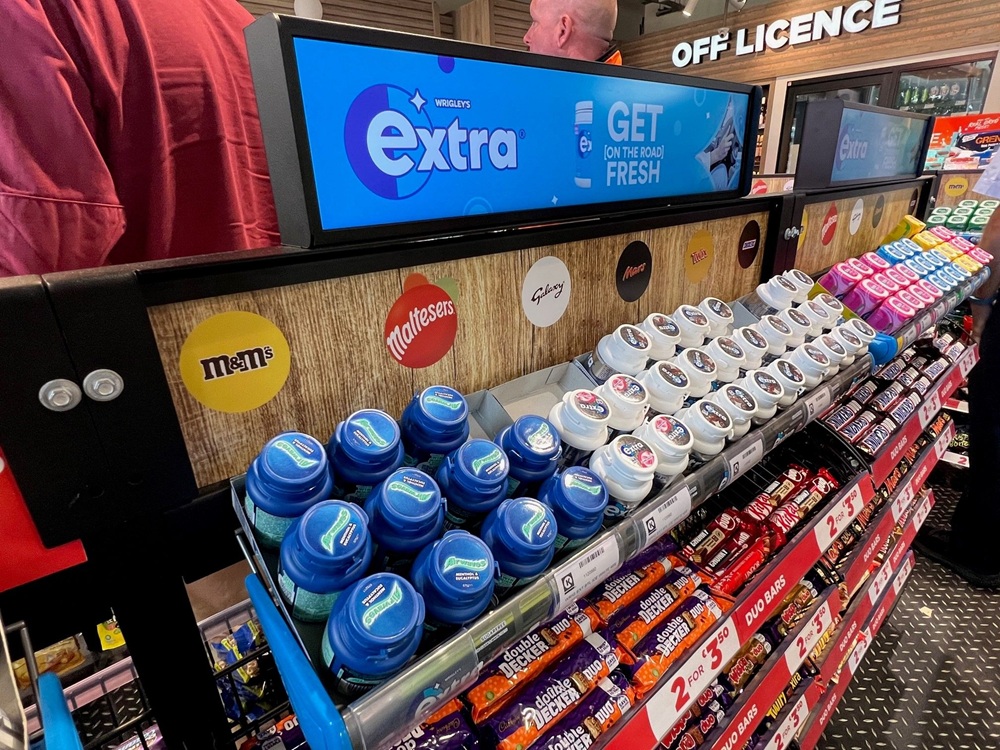
In the world of digital displays, most screens follow conventional aspect ratios like 16:9 for televisions or 4:3 for traditional monitors. But what happens when you need a display that stretches across narrow, elongated spaces? Enter the stretched bar LCD display—a specialized category of ultra-wide screens designed to fit architectural constraints that traditional displays cannot accommodate. From retail shelves and transportation signage to smart refrigerators and automotive interiors, stretched bar displays are transforming how businesses communicate with their audiences in space-constrained environments. This comprehensive guide explores what makes these displays unique, how they differ from standard screens, and why they’re becoming increasingly essential in modern commercial applications.
Defining Stretched Bar LCD Displays: Architecture and Design Philosophy
A stretched bar LCD display is a liquid crystal display panel manufactured with an elongated aspect ratio, typically ranging from approximately 5:1 to as extreme as 40:1 in some specialized applications. Unlike conventional displays that prioritize width-to-height balance, stretched bar displays sacrifice vertical space to maximize horizontal coverage, creating a panoramic visual experience perfectly suited for installation in narrow, elongated spaces. The most common aspect ratios include 16:3, 16:4, 32:9, and 38:5, though manufacturers offer extensive customization options to meet specific installation requirements.
The fundamental difference between stretched bar displays and standard widescreen panels lies in their manufacturing process and internal architecture. Standard 16:9 displays use panels cut from larger glass substrates in conventional dimensions, but stretched bar displays require specialized tooling and production processes that alter the underlying panel architecture. The thin-film transistor (TFT) array, color filter placement, and backlight design must all be engineered to accommodate the unusual proportions, resulting in products that cannot simply be created by cutting down larger panels. This specialized manufacturing explains why stretched bar displays typically command premium pricing compared to standard displays of equivalent diagonal measurement.
The defining characteristic of stretched bar displays is their ability to deliver continuous, cohesive visual content across extended horizontal distances. A 37-inch 32:9 stretched bar display, for example, provides visual real estate equivalent to two 24-inch monitors placed side-by-side, but within a single bezel and with seamless content presentation. This eliminates the bezels, bezelless gaps, and alignment challenges that plague multi-monitor installations, creating genuinely continuous displays perfectly suited for retail environments, transportation hubs, and architectural installations where space constraints demand unconventional solutions.
Modern stretched bar displays incorporate advanced LCD technologies including in-plane switching (IPS) for wide viewing angles, high dynamic range (HDR) support for enhanced contrast and color accuracy, and high brightness panels capable of combating ambient light in commercial environments. Many models feature operating temperatures ranging from -30°C to +85°C, enabling deployment in challenging environments including outdoor installations, industrial settings, and transportation applications where temperature extremes are common.
Aspect Ratio Variations and Their Applications
Understanding the various aspect ratios available in stretched bar displays is essential for selecting the right product for specific applications. The 16:3 ratio, measuring 16 units wide by 3 units tall, has emerged as a popular choice for retail shelf edge displays where manufacturers need to maximize horizontal information density while maintaining visibility for shoppers walking parallel to shelves. This ratio effectively doubles the horizontal space compared to traditional portrait-oriented shelf displays while providing sufficient vertical space for pricing information, promotional messaging, and brand imagery.
The 32:9 ratio, sometimes described as “dual full HD” since it provides resolution equivalent to two 1920×1080 displays side-by-side, serves applications requiring even greater horizontal coverage. Transportation signage frequently employs 32:9 stretched bar displays, where the extended format accommodates route information, arrival times, and advertising content simultaneously without the visual fragmentation that would result from installing multiple standard displays. Airports, train stations, and bus terminals increasingly deploy these ultra-wide displays as primary information channels, replacing traditional LED dot-matrix boards with high-resolution LCD alternatives that offer superior image quality and multimedia capabilities.
Extreme aspect ratios extending beyond 40:3 serve specialized applications including smart refrigerator doors, where the narrow vertical dimension must accommodate multiple compartments while maximizing interior visibility, and automotive instrument clusters, where dashboard designs demand displays that span significant horizontal distances while maintaining minimal vertical profile. These specialized applications represent the cutting edge of stretched bar display technology, requiring intimate collaboration between display manufacturers and original equipment manufacturers (OEMs) to achieve desired form factors and performance specifications.
Resolution specifications vary significantly across product categories, with stretched bar displays available in resolutions ranging from 1920×360 for basic applications to 3840×600 or higher for premium installations requiring fine detail rendering. The horizontal resolution typically scales with panel size, ensuring consistent pixel density across different display dimensions within a product family. This approach allows content creators to develop single pieces of content that render appropriately across multiple display sizes within the same product family, simplifying digital signage content management.
Key Technical Specifications and Performance Characteristics
Stretched bar LCD displays incorporate numerous technical specifications that differentiate them from consumer-grade displays and determine their suitability for specific applications. Brightness ratings represent perhaps the most critical specification for commercial deployments, with indoor applications typically requiring 300-500 nits while outdoor or high-ambient-light environments demand 700 nits or higher to maintain visibility. Some specialized outdoor displays exceed 1500 nits, enabling comfortable viewing even in direct sunlight, though these high-brightness panels command significant price premiums and generate substantial heat requiring enhanced thermal management.
Viewing angle specifications determine how well displays maintain image quality when viewed from off-center positions, critical in commercial environments where viewers may approach displays from various angles. IPS (in-plane switching) technology dominates the stretched bar display market, offering viewing angles of 178 degrees both horizontally and vertically with minimal color shift or contrast degradation. VA (vertical alignment) panels provide superior contrast ratios but typically exhibit more pronounced viewing angle limitations, making IPS the preferred choice for most commercial applications where viewer positions vary significantly.
Response time specifications become particularly important for displays showing moving content or interactive applications. Standard twisted nematic (TN) panels offer response times as fast as 1ms, but their limited viewing angles make them unsuitable for most commercial applications. Modern IPS panels have closed this gap significantly, with response times of 5-8ms adequate for most digital signage applications. Gaming-oriented stretched bar displays using advanced IPS or OLED technologies claim response times under 1ms, though these premium products target consumer rather than commercial markets.
Operating temperature ranges distinguish commercial-grade displays from consumer products designed for controlled indoor environments. Stretched bar displays intended for transportation, industrial, or outdoor applications typically specify operating ranges from -30°C to +85°C, achieved through temperature-compensated liquid crystal formulations, extended-temperature-range backlights, and sophisticated thermal management systems. These expanded operating windows enable deployment in environments including unheated transit shelters, refrigerated display cases, and outdoor kiosks where temperature extremes would rapidly degrade or destroy standard displays.
Common Applications and Use Cases
Retail environments represent the largest and most mature market for stretched bar LCD displays, with applications spanning shelf edge marketing, refrigerated case display, and freestanding promotional signage. Shelf edge stretched bar displays positioned at the front of product shelves display pricing, promotional information, and brand messaging while maintaining visibility for shoppers throughout the aisle. The elongated format proves particularly effective in grocery environments where shelves extend significant horizontal distances, enabling single continuous displays to cover what would otherwise require multiple separate installations.
Refrigerated and frozen food cases increasingly incorporate stretched bar displays within door frames, providing customer-facing information including pricing, nutritional content, and promotional messaging while maintaining visibility into refrigerated interiors. These displays must operate reliably in temperatures ranging from -25°C for frozen food cases to +4°C for refrigerated sections, requiring specialized display engineering that standard products cannot provide. The transparency requirements for refrigerated case doors add further complexity, as displays must maintain optical clarity while simultaneously presenting information to shoppers.
Transportation applications have emerged as a significant growth market for stretched bar displays, with airports, train stations, and bus terminals deploying these displays for departure and arrival information, advertising, and wayfinding signage. The extended horizontal format accommodates flight or route information alongside advertising content, maximizing revenue generation potential from limited physical signage infrastructure. Transportation applications demand exceptional reliability and typically specify mean time between failures (MTBF) exceeding 50,000 hours, achieved through component selection, thermal management, and redundant design approaches.
Automotive interiors increasingly incorporate stretched bar displays for instrument clusters, infotainment systems, and passenger entertainment applications. The distinctive dashboard layouts favored by automotive designers often cannot accommodate conventional rectangular displays, driving demand for customized stretched bar formats that integrate seamlessly with vehicle interiors. These automotive-grade displays must meet stringent quality and reliability standards including vibration resistance, extended temperature operation, and electromagnetic compatibility requirements far exceeding commercial display specifications.
Smart appliance manufacturers have begun incorporating stretched bar displays into refrigerator doors, oven interfaces, and laundry equipment, providing user interface panels that maximize information density while maintaining compact physical dimensions. These appliance displays typically fall at the smaller end of the stretched bar spectrum, with 16:3 and similar ratios providing optimal balance between information display capability and physical space requirements. Integration with IoT platforms enables these displays to present real-time information including temperature status, energy consumption, and connected home status alongside traditional appliance interface functions.
Manufacturing Considerations and Market Landscape
The stretched bar LCD display market encompasses both standardized products available through distribution channels and custom designs developed through OEM and ODM partnerships. Major display manufacturers including Samsung, LG Display, and BOE offer standardized stretched bar product lines targeting commercial digital signage, retail, and transportation markets. These products typically feature common brightness levels, resolution options, and connectivity interfaces, enabling direct procurement by end customers or integration by digital signage solution providers.
Custom stretched bar display development requires close collaboration between display manufacturers and original equipment manufacturers to achieve specific form factors, performance specifications, and integration requirements. The custom development process typically spans 12-18 months from initial specification through production ramp, requiring substantial upfront investment in tooling, certification, and production preparation. Custom displays command significant price premiums compared to standardized products, but enable unique product differentiation and optimal performance for applications where standardized products cannot meet requirements.
The display driver architecture for stretched bar displays presents unique challenges compared to conventional panels. The unusual aspect ratios require timing controllers capable of generating appropriate display timing signals, and content management systems must accommodate non-standard resolutions without introducing scaling artifacts or aspect ratio distortion. Many stretched bar displays incorporate standardized input interfaces including HDMI, DisplayPort, and LVDS, enabling compatibility with standard content sources and digital signage platforms, though some specialized applications require custom interface development.
Ongoing display market trends suggest continued growth for stretched bar products across multiple application segments. The proliferation of smart retail environments, expansion of intelligent transportation systems, and increasing integration of displays into everyday objects all contribute to demand growth. Simultaneously, manufacturing scale economies and improved production processes are gradually reducing prices for standardized stretched bar displays, expanding addressable markets to include applications where cost sensitivities previously precluded deployment.
Conclusion: Specialized Displays for Specialized Applications
Stretched bar LCD displays occupy a unique niche within the broader display market, providing capabilities that standard rectangular panels simply cannot deliver. The ultra-wide formats enable installation in space-constrained environments, create continuous visual experiences without bezels or gaps, and accommodate architectural requirements that would otherwise necessitate compromises in display quality or coverage. From retail shelves to transportation hubs, smart appliances to automotive interiors, stretched bar displays are enabling new categories of visual communication that push beyond the limitations of conventional display form factors.
As commercial display applications continue evolving toward more integrated, space-efficient solutions, stretched bar displays will increasingly become standard tools rather than specialized exceptions. Understanding the technical specifications, aspect ratio options, and application contexts for these displays enables informed selection and deployment decisions that maximize return on display investments while minimizing total cost of ownership throughout product lifecycles. The unique capabilities of stretched bar displays make them essential components in the modern visual communication toolkit, and their importance will only grow as display integration becomes more pervasive across commercial and consumer environments.


Leave A Comment