
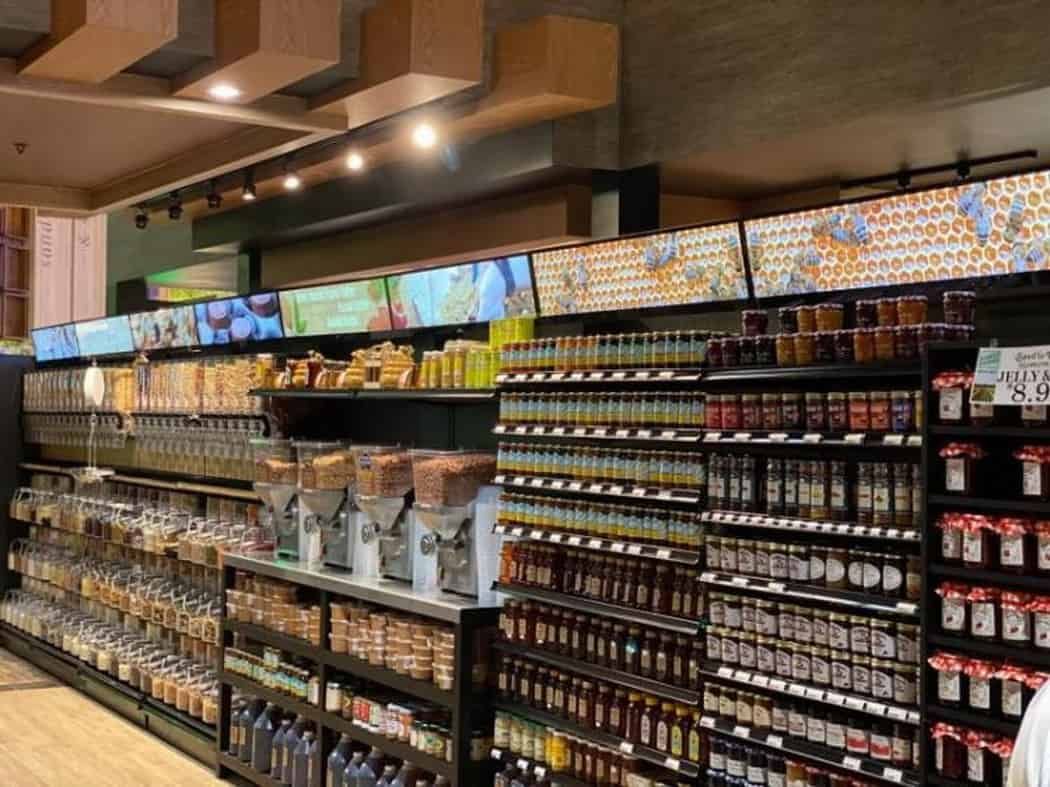
In supermarkets, where every inch of space is a battleground for attention, digital shelf edge displays (SLEDs) are becoming essential tools for modernizing operations. But how do you navigate the complexities of deploying these systems? From hardware selection to staff training, here’s a step-by-step guide to turning your grocery aisles into smart, profitable zones.
Step 1: Define Your Goals
Before investing in SLEDs, clarify what you want to achieve:
Operational Efficiency: Automate price updates and reduce labor costs.
Revenue Growth: Sell ads to brands or upsell products via dynamic promotions
Customer Experience: Provide interactive content like recipe videos or nutritional info.
A UK retailer targeting operational efficiency saved $80,000/year by eliminating manual price changes after adopting SLEDs.
Step 2: Choose the Right Hardware
Not all SLEDs are created equal. Consider:
Screen Size: Larger screens (e.g., 15-inch) work best for endcaps; smaller ones (7-inch) fit between shelves.
Durability: Opt for IP65-rated displays to withstand spills and humidity.
Connectivity: Wi-Fi-enabled units simplify data syncing.
Cooler Screens’ “Smart Cooler” model integrates LED panels into refrigerators, doubling as ad screens—a clever use of existing infrastructure.
Step 3: Integrate with Existing Systems
SLEDs must sync with your POS, inventory, and pricing software. Key steps:
API Integration: Use REST APIs to connect SLEDs to your ERP system for real-time price updates.
Content Management: Deploy cloud-based platforms (e.g., Scala or ScreenCloud) to schedule ads and promotions.
Testing: Run pilot programs in 2–3 stores before full rollout.
Walmart’s Spark Marketplace uses AI to automatically adjust prices based on competitor data, showcasing seamless integration.
Step 4: Train Staff and Educate Shoppers
Employees need to understand SLEDs’ role beyond price tags. Train them to:
Monitor screen uptime and troubleshoot issues.
Explain features to customers (e.g., QR codes linking to loyalty rewards).
For shoppers, create in-store signage explaining how to interact with SLEDs—like scanning a code for a discount.
Step 5: Monetize Your Investment
Turn SLEDs into revenue streams by:
Selling Ads: Charge CPG brands $500–$2,000/month for prime aisle placements.
Dynamic Pricing: Use AI to optimize markdowns on perishables.
Data Sales: Share anonymized shopper insights with partners.
Kroger earns $200 million annually through its RMN, proving that SLEDs can fund their own deployment.
Case Study: Lidl’s Smart Shelf Rollout
Lidl deployed SLEDs across 500 European stores in 2023. Their strategy:
Competitor Monitoring: Drones captured rival prices daily, triggering automatic adjustments.
Promotions at Scale: Bulk buys triggered discounts on complementary items.
ROI: Gained 4% market share in six months.
Conclusion: The Future Is Now
Digital shelf edge displays aren’t just tech upgrades—they’re strategic investments. By following this guide, retailers can transform groceries from cost centers into profit hubs. As competition heats up, those who master SLEDs will dominate both efficiency and innovation.


Leave A Comment