
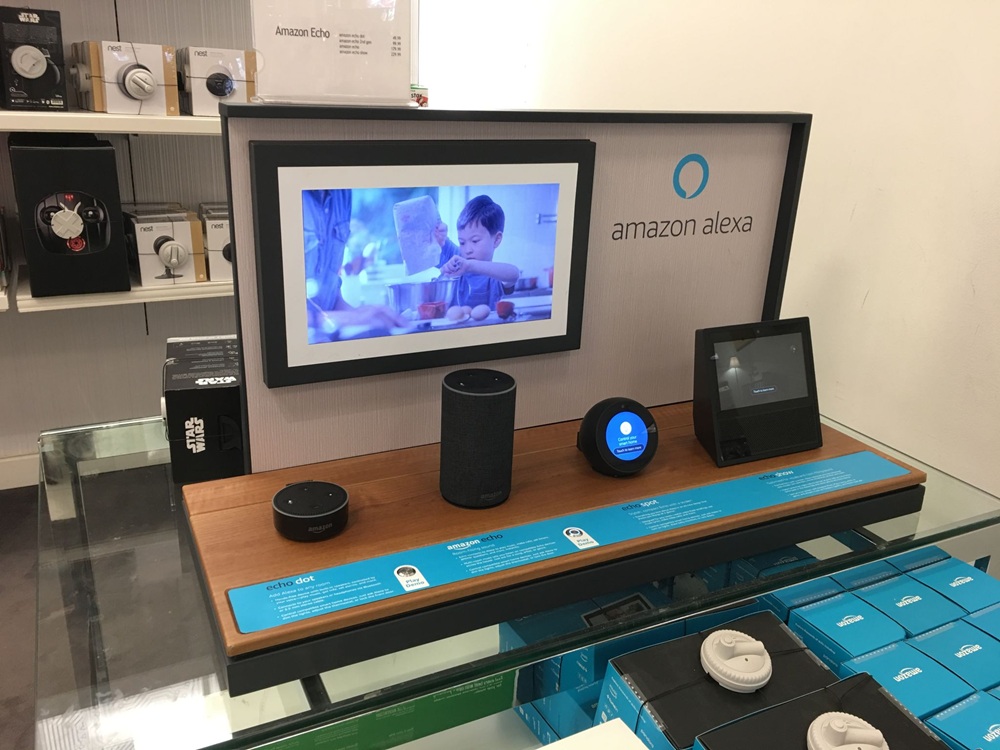
Let’s be honest: digital signage isn’t what it used to be. Gone are the days when a screenlooping promotional videos behind a receptionist counted as cutting-edge technology. The industry has evolved into something far more sophisticated—a fusion of artificial intelligence, lightning-fast connectivity, and data-driven advertising that’s reshaping how brands connect with audiences in physical spaces. If you’re not paying attention to where this market is heading, you’re already behind.
The numbers tell a compelling story. The global digital signage market sits at approximately $29.95 billion and is projected to grow at a compound annual growth rate of 8.28% through the coming years. That’s not just growth—it’s transformation. This isn’t your grandfather’s billboard industry, and understanding where it’s going could mean the difference between being a player in this space or becoming irrelevant.
Artificial Intelligence: The Brain Behind the Screen
AI has crashed the digital signage party, and it’s not leaving anytime soon. We’re not talking about novelty features like facial recognition that sparks privacy concerns. We’re talking about fundamental changes in how content gets created, targeted, and optimized in real time.
Content optimization through machine learning is perhaps the most immediately valuable application. Modern digital signage platforms analyze viewer engagement data—which content captures attention, which screens are being watched, how long people linger—and automatically adjust what’s shown. A restaurant menu board that dynamically highlights certain items based on time of day, weather, or current inventory isn’t magic. It’s AI doing what it does best: finding patterns and optimizing outcomes.
Predictive content scheduling takes this further. Instead of manually programming playlists weeks in advance, AI systems analyze historical data and predict what content will perform best at any given moment. Holiday promotions get queued automatically. Weather-triggered content (umbrella ads on rainy days, iced coffee promotions when temperatures spike) happens without human intervention. The system learns what works and gets better over time.
Audience measurement has gotten genuinely sophisticated. Modern displays can estimate age ranges, gender, and even emotional responses without storing any personally identifiable information. This data feeds back into the content system, creating a feedback loop that continuously improves relevance. A retailer learns that their 35-45 year-old female customers respond better to certain messaging at 11 AM than at 3 PM, and the system adjusts accordingly.
Generative AI is starting to make waves too. The ability to create customized content variations at scale—different headlines for different locations, personalized offers based on local demographics—strikes a balance between the efficiency of template-based content and the impact of bespoke creative. We’re still early in this trend, but the implications are significant.
5G: Removing the Speed Limits
The deployment of 5G networks is doing for digital signage what broadband did for streaming video: making the impossible practical. When your displays can receive content in milliseconds instead of minutes, everything changes.
Real-time content updates become genuinely real-time. Imagine a retail chain wanting to change pricing across 500 stores simultaneously. With 4G or WiFi, you’re looking at potential delays as the network prioritizes other traffic. With 5G, those updates propagate almost instantly. For time-sensitive promotions, emergency communications, or rapidly changing content, the difference is transformative.
Live streaming to digital displays moves from experimental to everyday. Sports highlights, news feeds, social media walls, and other real-time content streams smoothly to in-venue displays without buffering or quality degradation. The content feels current rather than hours old, which matters more than you might think for audience engagement.
The infrastructure implications are significant too. 5G enables true cloud-managed deployments without on-site media players. Content flows directly from the cloud to the display over cellular networks, eliminating local hardware as a failure point and simplifying deployment in locations where running cables is impractical.
Edge computing complements 5G by processing data locally rather than sending everything to the cloud. A display can analyze viewer data, make real-time content decisions, and adapt on the fly—all without round-trip latency to a distant server. This combination of 5G connectivity and local processing creates displays that feel impossibly responsive.
The Explosion of Retail Media Networks
If AI and 5G are technologies, retail media networks are a fundamental shift in how digital signage generates revenue. Traditional digital signage was a cost center—screens that displayed your own content in your own locations. Retail media networks turn those screens into advertising platforms that generate revenue from third-party brands.
The concept is elegantly simple. Retailers with physical locations have something advertisers want: access to consumers at the moment of purchase decision. A brand can pay to display its products on digital screens within stores, on menu boards at restaurants, or on signage at gas stations. The retailer monetizes screens they already own. The advertiser reaches consumers in a high-intent environment. Everyone wins.
What’s changed is the sophistication. Retail media networks now offer the targeting and measurement capabilities that digital advertisers expect. A brand can target by store location, time of day, even local demographics. Measurement shows how many people saw the content and how it influenced purchasing behavior. Programmatic buying lets advertisers purchase placements automatically through platforms that connect buyers with available inventory.
This is no longer a niche. Major retailers have built substantial media businesses around their in-store digital signage networks. The revenue is meaningful—some retailers now generate billions in annual media revenue. And this is expanding beyond traditional retail into restaurants, transportation hubs, healthcare facilities, and any location where consumers spend money and brands want to reach them.
For digital signage network owners, retail media networks represent a path to profitability that wasn’t previously available. Screens that justified their existence through operational savings or improved customer experience can now contribute directly to the bottom line through advertising revenue. This changes the economics of digital signage deployments and creates new opportunities for growth.
Programmatic DOOH: Digital Signage Goes Automated
Speaking of advertising revenue, programmatic digital out-of-home (DOOH) advertising is automating how ad space gets bought and sold across digital signage networks. If retail media networks opened the door, programmatic is remodeling the house.
Programmatic advertising uses technology to automate the buying and selling of ad inventory. Instead of a salesperson calling around to pitch available screens, an advertiser’s system bids on available impressions in real time. The transaction happens in milliseconds, with pricing determined by supply, demand, and targeting criteria.
For digital signage network owners, programmatic opens access to a much larger pool of advertisers. Your screens can receive bids from brands you’d never reach through direct sales efforts. The system handles insertion orders, creative delivery, and payment processing. This is particularly valuable for networks with fragmented inventory across many locations.
Dynamic creative optimization takes this further. Programmatic platforms can serve different creative to the same screen based on who the advertiser wants to reach. A coffee brand can show different messages to morning commuters versus afternoon shoppers, all on the same physical display. The technology enables precision that was impossible with static advertising.
Measurement and attribution have caught up too. Programmatic DOOH platforms integrate with sales data and other measurement tools to demonstrate business impact. Brands can see not just how many impressions their campaign delivered, but how it influenced store traffic, sales, and customer behavior. This data-driven approach is exactly what modern marketers expect.
The catch? Programmatic works best with significant scale and standardized inventory. A single screen or small network might not have enough volume to attract meaningful programmatic demand. The technology infrastructure to integrate with programmatic platforms requires investment. And programmatic rates can be lower than premium direct sales, so there’s a trade-off between volume and yield.
What This Means for Industry Players
These trends aren’t happening in isolation. AI makes content more effective. 5G makes content delivery faster. Retail media networks create new revenue opportunities. Programmatic makes inventory accessible to more advertisers. Together, they’re reshaping the entire digital signage ecosystem.
For display manufacturing, the implication is clear: hardware is becoming commoditized. The differentiating value is increasingly in the software and services that surround the display—content management, analytics, AI optimization, and integration into advertising platforms. Manufacturers that ignore this shift risk becoming mere commodity suppliers.
For network operators and venue owners, the opportunity is to participate in the value chain more fully. Instead of just deploying screens, operators can build media networks, develop advertising relationships, and leverage data to demonstrate audience value. The barriers to entry are lower than ever, but so is the competitive pressure.
For technology providers—software platforms, content management systems, analytics providers—the market is consolidating around comprehensive solutions. Point solutions that do one thing well are being absorbed into platforms that do everything. The winners are building ecosystems that connect displays, content, data, and advertising revenue.
And for brands and advertisers, the evolution means better access to audiences in physical spaces with the targeting and measurement they expect from digital. The gap between digital and physical advertising continues to narrow, creating opportunities for integrated campaigns that reach consumers everywhere.
The digital signage market of 2025 and beyond is unrecognizable from what existed a decade ago. The question isn’t whether to participate—it’s how to position yourself to thrive as the industry continues its rapid evolution.



Leave A Comment