
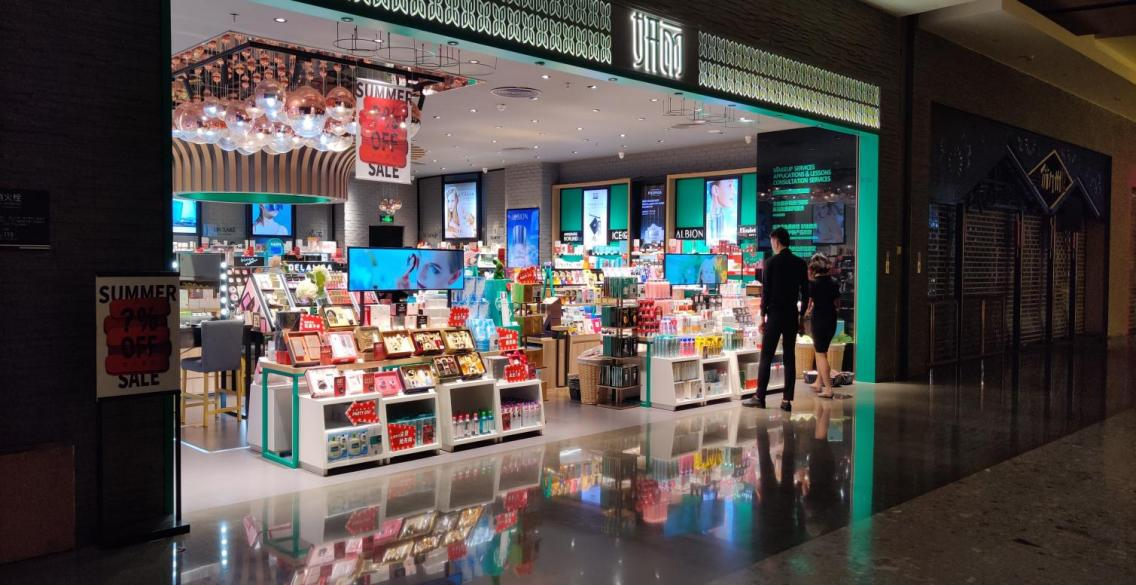
Walk into any modern supermarket, electronics store, or pharmacy today. You’ll notice something different: the shelf edges are glowing.
Long, narrow LCD screens have replaced paper price tags and static signs along store shelves. They show product prices, promotions, videos, and even real-time information like weather or news.
But do they actually work? Yes — and the data is convincing.
According to multiple retail studies, stores that implement dynamic digital signage at the shelf edge see:
12–28% longer customer dwell time at the shelf
15–32% lift in sales for promoted products
50–70% reduction in mispricing errors compared to paper tags
So what makes stretched bar LCD displays different from standard screens? And why are they becoming essential for modern retail?
This article covers four key ways these displays make retail stores more attractive — plus practical considerations for deployment.
1. Dynamic Content: From Static Price Tags to Moving Stories
Traditional paper shelf labels do one thing: show a price. That’s it.
A stretched bar LCD display does much more:
| Content Type | Example | Customer Impact |
| Product price | “$24.99” | Basic information |
| Promotional video | 5-second product usage clip | Builds desire |
| QR code | Scan for more details or coupon | Drives interaction |
| Real-time info | “Only 3 left in stock” | Creates urgency |
| Cross-sell | “Customers also bought X” | Increases basket size |
Real-world example: A European electronics retailer replaced paper shelf tags with stretched bar LCDs on their headphone aisle. They played 8-second product highlight videos in rotation. Within 4 weeks, headphone sales increased by 27% — without changing any prices.
Why it works: Moving images capture human attention far more effectively than static text. The peripheral vision is wired to detect motion. A shelf that “comes alive” naturally draws the eye.
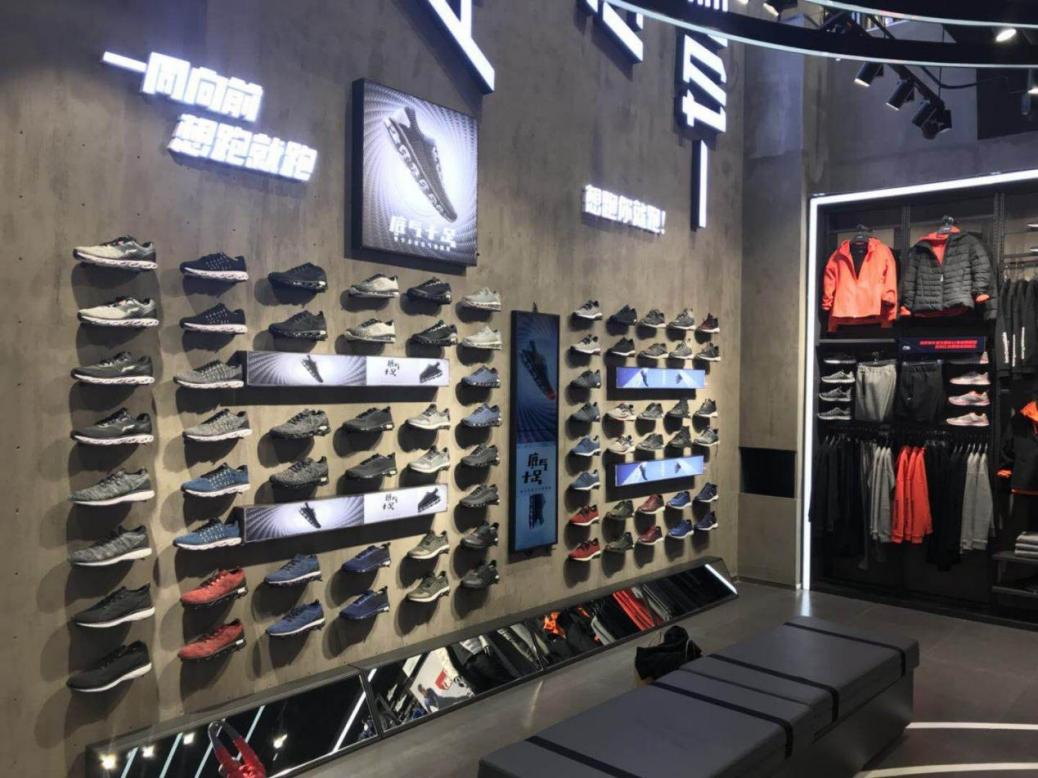
2. Perfect Fit for Shelf Edges: Form Factor Matters
Standard consumer displays have a 16:9 aspect ratio — wider than they are tall. But a store shelf edge is the opposite: long and narrow.
A 32-inch TV placed on a shelf edge:
Sticks out awkwardly
Blocks product access
Looks unprofessional
Wastes valuable shelf space
A stretched bar LCD display (typically 28–38 inches wide, only 8–12 inches tall) fits exactly into the shelf edge profile.
Key dimensional comparison:
| Display Type | Width | Height | Best Use Case |
| Standard 32″ TV | 28.7″ | 16.2″ | Wall mounting, end caps |
| Stretched bar LCD (28″) | 28.0″ | 8.0″ | Shelf edge, gondolas |
| Stretched bar LCD (38″) | 38.0″ | 10.5″ | Long continuous shelving |
Why this matters: A display that doesn’t fit the space will never be deployed at scale. Stretched bar displays are designed specifically for shelf edges — they sit flush, don’t block products, and look like a natural part of the fixture.
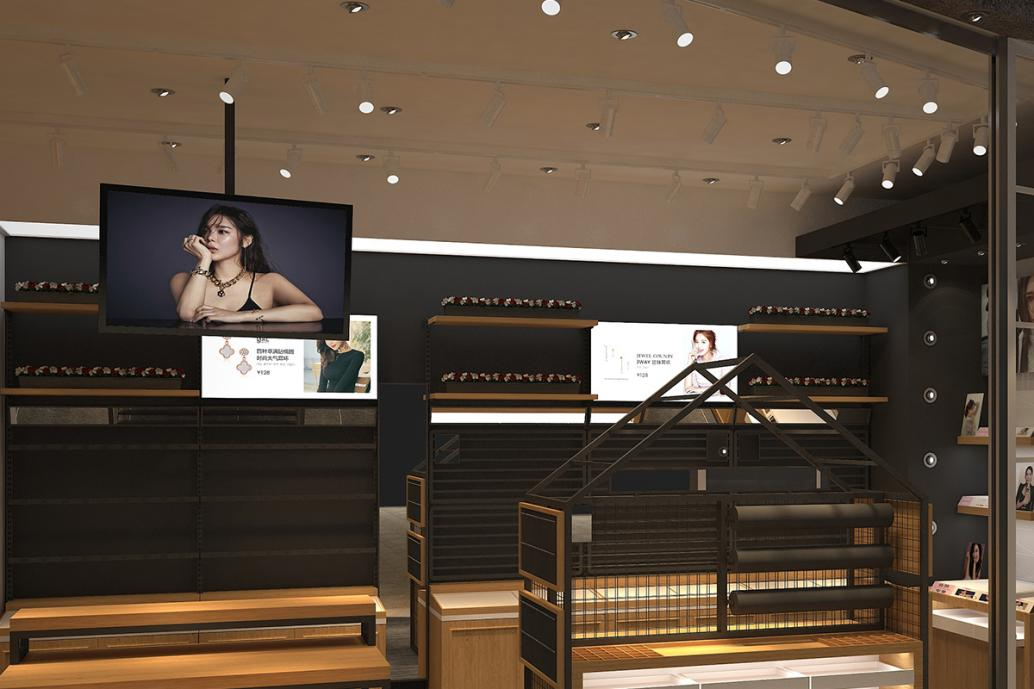
3. Enhanced Shopping Experience: Information Without Friction
Today’s retail customers expect immediate access to product information — but they don’t want to pull out their phone and scan a QR code for every single item.
A stretched bar LCD display solves this by putting information right at the point of decision.
What customers can see at a glance:
Price (obviously)
Price per unit (e.g., “$0.23 per ounce”)
Promotion details (“Buy one, get one 50% off”)
Key product attributes (“Organic”, “Gluten-free”, “Made in USA”)
Ratings (stars or customer review snippets)
Stock status (“Low stock — only 2 left”)
Real-world example: A grocery chain in the US deployed stretched bar displays in their wine section. Shoppers could see not just price, but also ratings, food pairing suggestions, and tasting notes. Wine department sales increased by 18% within 3 months. Customer surveys showed 64% of shoppers found the displays “very helpful.”
Why it works: The customer doesn’t have to leave the shelf to make a decision. All the information they need is right there, reducing friction and increasing purchase confidence.
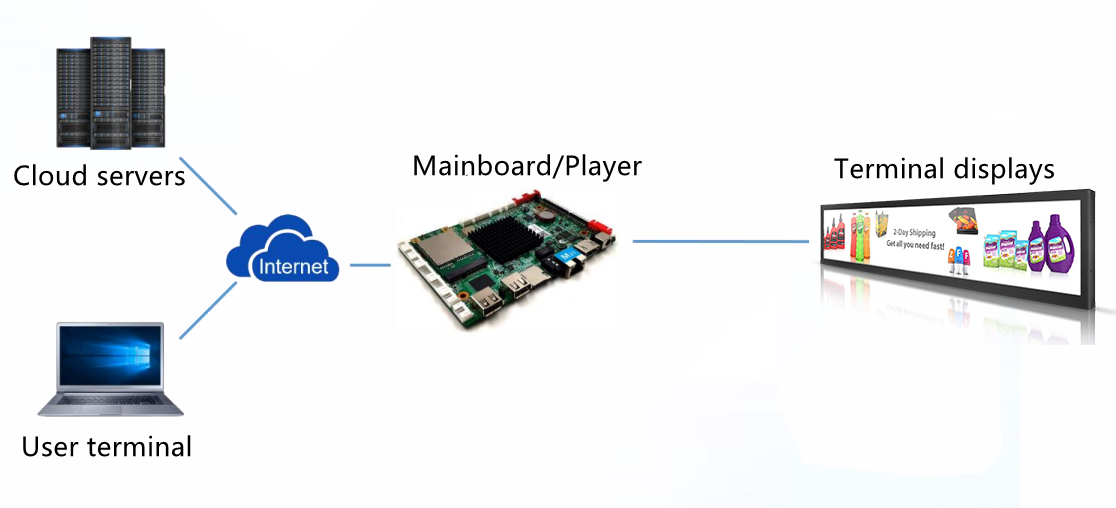
4. Operational Efficiency: Centralized Control, Real-Time Updates
Beyond customer-facing benefits, stretched bar LCD displays make retail operations faster and cheaper.
Traditional paper system problems:
Someone prints new price tags
Someone walks the store to replace them
Errors happen (wrong tag, wrong shelf)
Takes hours or days
Digital system advantages:
| Task | Paper Tags | Stretched Bar LCD |
| Price change | 30 minutes to 2 hours | 30 seconds (remote) |
| New promotion | Re-print and replace | Upload and push |
| Pricing error rate | 3–8% | <0.5% |
| Staff time per week | 10–20 hours | <1 hour |
Real-world example: A pharmacy chain with 200 stores switched from paper shelf tags to stretched bar LCDs. They reduced pricing errors by 85% and saved each store 8 hours per week in labor — equivalent to $200,000+ annually across the chain.
Remote management capabilities:
Change prices across all stores instantly
Schedule promotions by time of day (e.g., “senior discount from 9-11 AM”)
Run different content on different aisles
Track which content gets the most engagement
Summary: What Makes Stretched Bar LCDs Attractive for Retail?
| Benefit | How It Works | Typical Impact |
| Dynamic content | Video + images + QR codes | 15–32% sales lift |
| Form factor | Long, narrow, fits shelf edge | 100% space compatibility |
| Customer experience | Information at point of decision | 12–28% longer dwell time |
| Operational efficiency | Remote, real-time updates | 85% fewer pricing errors |
Practical Considerations Before You Deploy
If you’re considering stretched bar LCD displays for your retail stores, here are four things to evaluate:
- What content will you show?
Don’t just show prices — that’s a waste of the technology.
Plan video loops, rotating promotions, and interactive elements.
- How will you manage content?
Cloud-based content management system (CMS) is essential.
Make sure the system can push updates to all stores simultaneously.
- What’s your ROI timeline?
Typical payback period: 6–18 months
Sources of ROI: labor savings + sales lift + reduced pricing errors
- Does the display fit your shelf type?
Measure your shelf edge depth and height.
Choose a display that fits without blocking products.
Technical Specifications Reference
For retailers evaluating stretched bar LCD displays, here are typical specifications to look for:
| Parameter | Typical Range | Notes |
| Screen size (diagonal) | 28″ – 38″ | Long and narrow |
| Aspect ratio | 16:3, 32:9, or custom | Fits shelf edge profile |
| Brightness | 300–500 cd/m² | Indoor retail sufficient |
| Operating temp | 0℃ – 45℃ | Standard indoor |
| Input voltage | DC 9V – 36V | Wide range for stability |
| Connectivity | Wi-Fi, Ethernet, 4G | Remote management required |
About the Data in This Article
The performance metrics cited (sales lifts of 15–32%, dwell time increases of 12–28%, pricing error reductions of 85%) are compiled from industry reports and retail case studies. Your actual results may vary based on store format, product category, and content quality.


Leave A Comment