
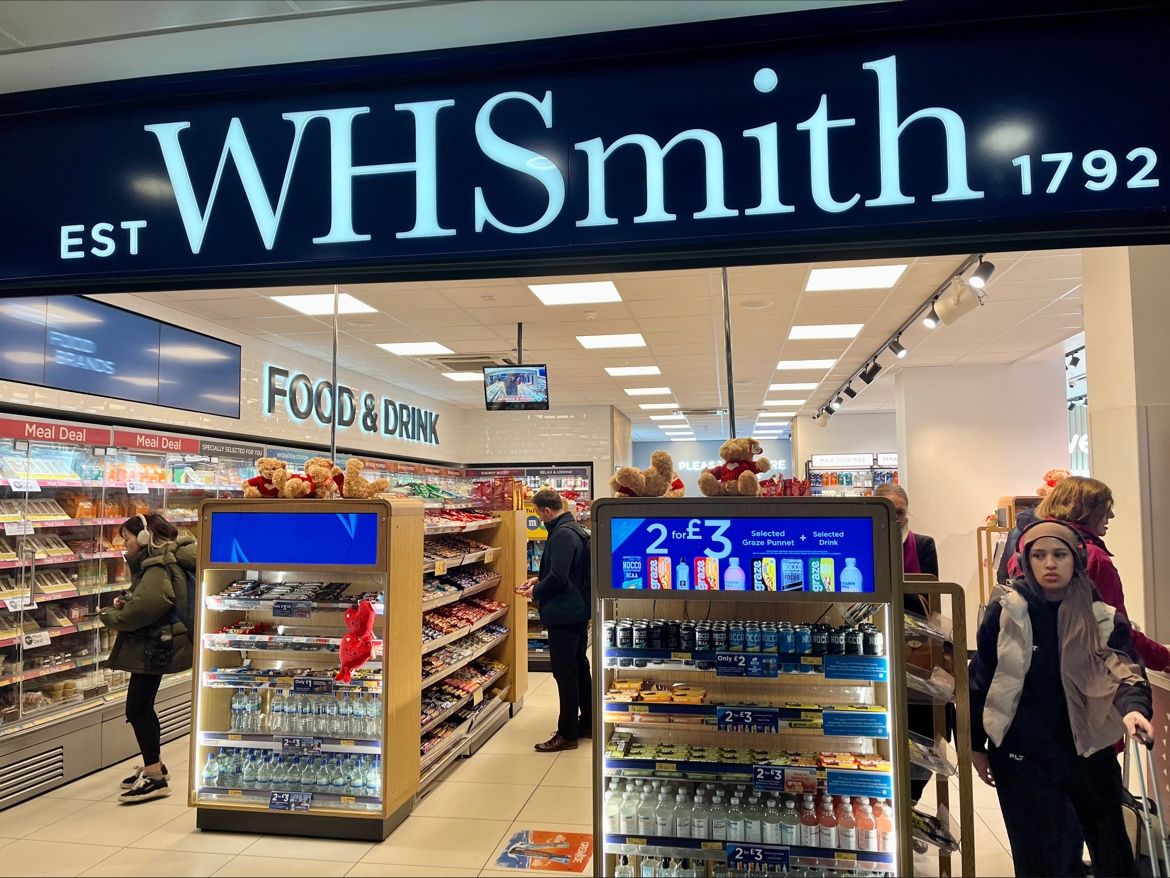
Here’s a story about an industry transformation that happened almost before anyone noticed. For decades, in-store digital signage existed in a supporting role—showing own-brand content, menus, directionals, and promotional material that the retailer created and controlled. It was a cost of doing business, a tool for influencing purchase decisions, but it was never a business unto itself. Then something shifted. Retailers started noticing that they had something valuable—attention at the moment of purchase—and brands started noticing too. The result is retail media networks, and they’ve fundamentally changed how digital signage generates value.
What Exactly Is a Retail Media Network?
Let’s start with a clear definition. A retail media network (RMN) is an advertising channel that a retailer creates by monetizing its customer-facing assets—primarily digital screens in stores, but also websites, apps, receipts, email lists, and any other touchpoint where brands can reach consumers. The retailer sells access to these assets to consumer packaged goods brands, technology companies, and other advertisers who want to reach consumers during the purchase decision process.
The key insight is that retailers sit on something advertisers desperately want: influence at the point of sale. A brand can run the most brilliant television commercial in the world, but by the time a shopper reaches a store aisle, brand recall has faded. In-store advertising—particularly on digital signage—reaches consumers when they’re actively making purchasing decisions. The conversion rates are meaningfully higher than traditional advertising channels.
Retail media networks exist on a spectrum of sophistication. At the simple end, a retailer sells static ad space on in-store displays to local brands. At the complex end, retailers have built automated advertising platforms with real-time bidding, audience targeting, dynamic creative optimization, and sophisticated measurement that rivals digital advertising platforms like Google and Meta. The most advanced networks generate billions in annual revenue.
Why Retail Media Networks Exploded
The explosive growth of retail media networks isn’t accidental. Several converging factors created the conditions for this transformation.
First, the digitization of physical retail created the asset base. As retailers deployed digital signage throughout their stores, they unknowingly built an advertising infrastructure. Those screens, initially intended for in-house marketing, suddenly represented available inventory that could be monetized. The marginal cost of selling ad space on existing screens is low, making the revenue almost pure profit.
Second, the decline of traditional advertising channels created demand. As cord-cutting accelerated and print media contracted, brands lost access to reliable mass-reach channels. Retail media networks offered something different: access to consumers in a high-intent environment with targeting and measurement capabilities that traditional channels couldn’t match. The precision of reaching someone browsing the pasta aisle while they’re deciding between brands is genuinely valuable.
Third, e-commerce giants demonstrated the model at scale. Amazon’s advertising business—which sells sponsored products, display ads, and other placements on its platform—grew from essentially zero to over $12 billion annually. This success proved that retail media was not just viable but potentially enormous. Traditional retailers took notice and began building their own versions.
Fourth, the technology became accessible. Cloud-based content management systems, programmatic advertising platforms, and audience measurement tools that were once the exclusive domain of tech giants became available to retailers of all sizes. Building a retail media network no longer requires building everything from scratch—you can assemble capabilities from specialized vendors.
The Economics That Make Retail Media Networks Work
Understanding why retailers invest in media networks requires understanding the economics. For most retailers, in-store advertising inventory was previously “free” in the sense that it cost nothing to use because it was dedicated to in-house content. But it wasn’t really free—it occupied screen time that could potentially generate revenue from other sources.
The revenue potential is substantial. CPG brands allocate significant advertising budgets to trade promotion—spend designed to influence purchasing at the point of sale. Historically, this spend went to slotting fees, endcap placements, and print circulars. Retail media networks offer a more measurable, more targeted alternative. A brand can now pay to put its product on digital screens at the exact moment consumers are making decisions.
For the retailer, the economics are attractive because the marginal cost of serving additional ads is near zero. The screens exist. The content management system exists. Adding a few more advertisers to the rotation doesn’t increase costs proportionally to revenue. This creates high operating margins that retailers can’t achieve in their core retail business.
The catch is that building a successful retail media network requires investment in technology, sales teams, and measurement capabilities. The retailers succeeding at this aren’t just dusting off old screens and selling ad space—they’re building sophisticated advertising businesses. That means platform development, data infrastructure, sales capabilities, and ongoing technology investment.
How In-Store Digital Signage Became Advertising Channels
The transformation of in-store digital signage from marketing tools to advertising channels happened through several phases.
Initial deployments were owned content only. Retailers installed digital signage to display their own promotional content, menus, and wayfinding information. The screens were controlled entirely by the retailer’s marketing team, and content was changed on predetermined schedules or through manual updates. This was an improvement over static signage, but it was still a cost center.
The first monetization attempts were direct sales. Retailers with large store footprints began offering advertising space to local businesses, consumer packaged goods brands, and other interested parties. The process was manual—salespeople negotiated deals, creative was produced separately, and placement was determined through conversation rather than technology. This worked for large retailers with significant traffic, but it didn’t scale.
Platform technology enabled scale. Cloud-based digital signage platforms with built-in advertising management made it possible to sell, schedule, and serve advertising programmatically. The same system that managed a retailer’s own content could now manage third-party advertisements. This reduced operational overhead and made smaller networks viable.
Programmatic advertising opened the floodgates. By integrating with programmatic advertising platforms, retail media networks gained access to automated buying and real-time bidding. Advertisers could now purchase inventory through the same tools they used for digital advertising, using the same measurement frameworks, and with the same targeting capabilities. This lowered the barrier to entry for advertisers and expanded demand for retail inventory.
Data capabilities created premium value. The most sophisticated retail media networks now integrate purchase data, loyalty program data, and audience measurement to offer targeting and measurement that rivals digital platforms. A brand can target consumers based on purchase history, reach them with relevant creative, and measure the impact on actual sales. This closed-loop attribution is extraordinarily valuable to advertisers and commands premium pricing.
The Winners in Retail Media
The retail media landscape has clear winners and losers, and the pattern is instructive.
Mass retailers with significant foot traffic and loyalty data are leading. Walmart, Target, Kroger, and other large grocery chains have built substantial media businesses by leveraging their scale and customer data. These networks offer brands access to millions of shoppers with the targeting precision of digital advertising. Their advertising revenue now contributes meaningfully to corporate profits.
E-commerce platforms have retail media in their DNA. Amazon’s advertising business is the largest retail media network by far, and it continues to grow rapidly. The platform advantage—precise intent data, seamless purchasing, and sophisticated ad tech—creates an almost insurmountable competitive moat for traditional retailers.
Smaller retailers face an uphill battle. Building a retail media network requires significant technology investment, sales capabilities, and data infrastructure that many retailers can’t justify. Some are partnering with third-party platforms that provide these capabilities in exchange for revenue sharing. Others are joining consortiums that aggregate inventory across multiple retailers.
Technology providers are building the infrastructure. Companies that provide retail media platforms, measurement tools, and data services are capturing value as the ecosystem grows. The gold rush isn’t just in the networks themselves but in the tools that enable them.
Implications for Digital Signage Industry
The rise of retail media networks has profound implications for the broader digital signage industry.
The value chain is shifting. Traditional digital signage players—hardware manufacturers, software providers, network operators—find themselves competing in an ecosystem where advertising revenue is increasingly the primary value driver. The screens themselves are becoming infrastructure, while the platform and data capabilities become the differentiators.
New business models are emerging. Network operators can now think of their deployments as advertising platforms rather than content delivery systems. This opens new revenue models, partnership structures, and competitive dynamics. The operators who understand advertising economics will outperform those who don’t.
Measurement becomes paramount. Retail media networks succeed because they offer measurability that traditional advertising can’t match. Digital signage deployments that can demonstrate audience, engagement, and sales impact command premium pricing. Those that can’t are increasingly commoditized.
The integration of purchase data creates new opportunities. As retailers connect in-store digital signage to their loyalty programs and point-of-sale systems, the targeting and measurement capabilities become genuinely powerful. The future of in-store advertising isn’t just reaching people—it’s reaching the right people with the right message at the right moment based on what you know about them.
Looking Ahead
Retail media networks are not a temporary trend—they represent a structural shift in how physical retail generates value. The most successful retailers will be those who treat their physical presence not just as a place to sell goods but as an advertising platform that reaches consumers at critical moments.
For digital signage industry participants, the message is clear: understand advertising, understand data, understand measurement. The future belongs to those who can connect screens to business outcomes rather than simply deploying technology. The retailers who get this will build valuable businesses. Those who don’t will find themselves increasingly marginalized as infrastructure providers in someone else’s media network.
The transformation is still early enough that decisive action now can create significant advantage. But the window for establishing position is narrowing as the leaders extend their lead. The question isn’t whether retail media networks matter—it’s whether you’ll be a player or a spectator in this rapidly evolving landscape.



Leave A Comment