
Selecting the appropriate stretched bar display requires careful consideration of physical dimensions, aspect ratios, resolution specifications, and integration requirements. The unique form factors of ultra-wide displays create installation opportunities impossible with conventional panels, but realizing these opportunities demands systematic evaluation of application requirements and display capabilities. This comprehensive guide walks through the critical factors influencing stretched bar display selection, providing practical frameworks for matching display specifications to installation environments and application objectives.
Understanding Stretched Bar Display Categories and Size Ranges
Stretched bar displays span an enormous range of physical dimensions, from compact panels measuring just a few inches to massive installations extending several meters. Organizing this diversity into logical categories simplifies selection by focusing attention on displays most likely to meet specific application requirements. The primary categorization approach groups displays by physical width, since horizontal dimension typically represents the constraining factor in most installation environments.
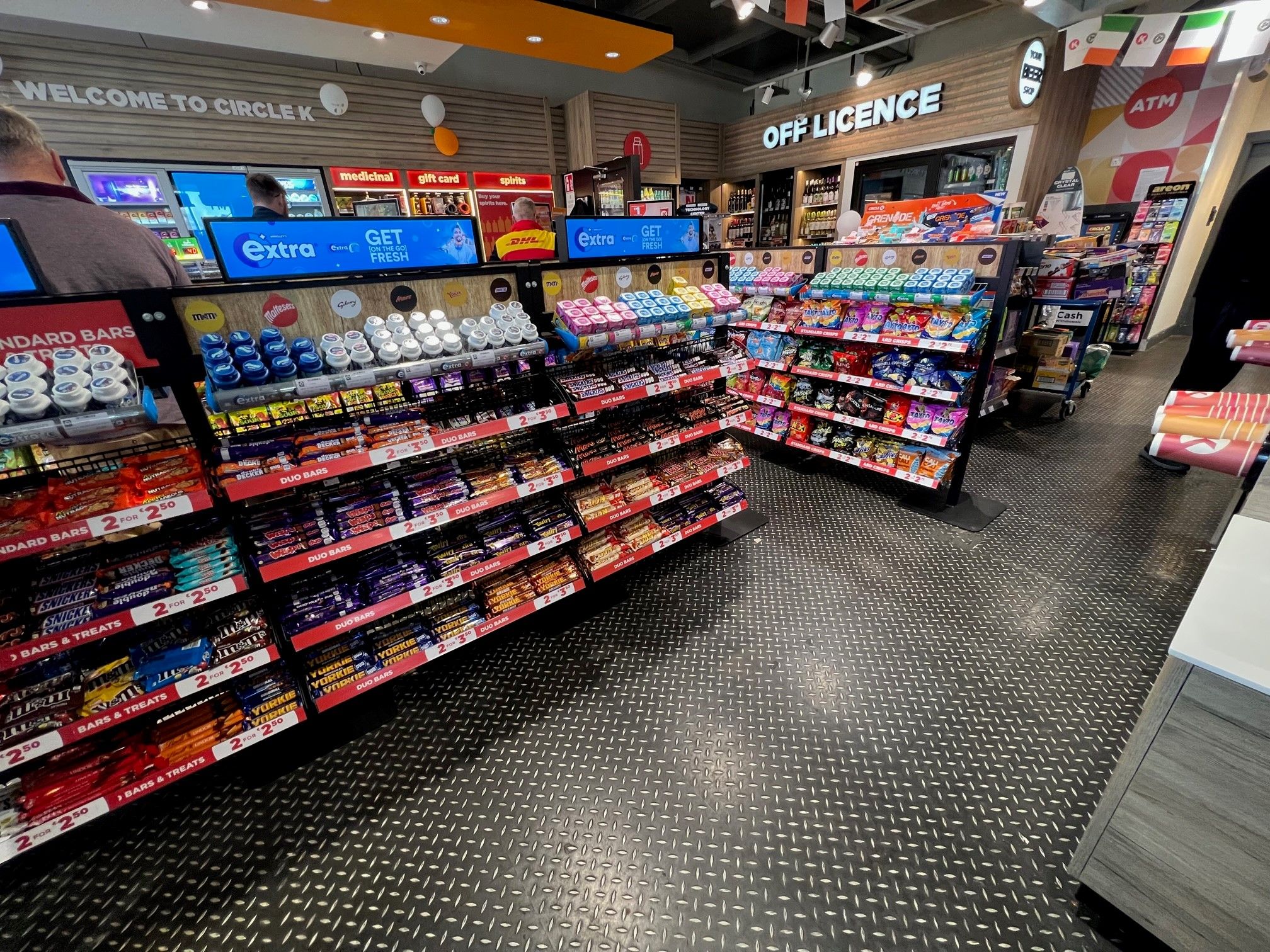
Compact stretched bar displays range from approximately 200mm to 600mm in width, with heights corresponding to specific aspect ratios within this range. These displays serve applications including retail shelf edges, appliance interfaces, and automotive instrument clusters where physical space constraints limit panel dimensions. The 37:5 aspect ratio has emerged as a popular choice for compact applications, providing sufficient horizontal length for pricing and promotional information while maintaining vertical profiles compatible with standard shelf edge dimensions. Compact displays typically feature resolution specifications of 1920×258 or similar, delivering adequate pixel density for close-range viewing typical of retail and appliance applications.
Medium stretched bar displays extend from approximately 600mm to 1200mm in width, representing the most versatile category for commercial digital signage applications. These displays accommodate the most common installation environments including retail shelving, transportation signage, and freestanding display units. The 32:9 aspect ratio dominates this category, offering resolution equivalents of dual 1920×1080 panels within a single bezel. Display heights of approximately 340mm for a 1200mm wide panel provide adequate vertical space for logo display, pricing information, and promotional messaging while maintaining slim profiles appropriate for shelf edge installation.
Large stretched bar displays exceed 1200mm in width, serving applications requiring substantial visual coverage across extended horizontal distances. These displays commonly deploy in transportation hubs, large-format retail environments, and architectural installations where visual impact requirements justify premium pricing for larger panels. Resolution specifications scale with physical dimensions, with large displays offering horizontal resolutions of 3840 pixels or higher to maintain consistent pixel density across expanded display areas. The 38:5 aspect ratio has gained popularity for large-format applications, providing a balance between horizontal coverage and vertical visibility appropriate for signage applications viewed from moderate distances.
Extra-large and custom stretched bar displays extend beyond standard manufacturing specifications, requiring specialized production processes and custom development approaches. These displays serve applications including video walls, architectural installations, and specialty retail environments where standard dimensions cannot achieve desired visual coverage. Extra-large displays typically require multiple display drivers and specialized video processing to maintain image quality across extended panel dimensions, adding complexity and cost to both procurement and installation processes.
Aspect Ratio Selection: Matching Proportions to Application Requirements
Aspect ratio selection fundamentally determines how content will appear on stretched bar displays, making this choice among the most critical decisions in the selection process. The application context, viewing distance, and content type all influence optimal aspect ratio selection, requiring systematic evaluation of requirements before specifying particular ratios. Common aspect ratios in the stretched bar display market include 16:3, 16:4, 32:9, 38:5, and 21:9, each offering distinct advantages for specific application contexts.
The 16:3 aspect ratio provides moderate horizontal extension while maintaining sufficient vertical space for practical information display. This ratio has found particular success in retail shelf edge applications, where the vertical dimension must accommodate product labels, pricing information, and promotional messaging within constrained shelf edge heights. The 16:3 format balances content flexibility against physical space requirements, enabling effective deployment in environments where more extreme ratios would prove impractical. Content creators working with 16:3 displays must design layouts that utilize the extended horizontal space effectively while ensuring critical information remains within the vertical bounds required for comfortable reading by shoppers at typical aisle distances.
The 32:9 aspect ratio delivers approximately double the horizontal coverage of 16:3 displays while maintaining comparable vertical dimensions, effectively providing the visual real estate of two standard full HD displays within a single bezel. This format serves applications requiring substantial information density across horizontal distances, including transportation signage displaying route information alongside advertising content and retail environments where extended promotional messaging extends across multiple shelf positions. The 32:9 ratio enables particularly effective deployment in portrait orientation for some applications, where the extended vertical dimension accommodates information typically presented on landscape displays while maintaining narrow physical profiles appropriate for space-constrained installations.
The 38:5 and 21:9 aspect ratios serve specialized applications requiring extreme horizontal extension or unconventional proportions. The 38:5 format provides enhanced horizontal coverage compared to 32:9 while maintaining similar vertical dimensions, enabling installation in environments requiring extensive visual coverage without proportional height increases. This ratio has gained traction in large-format retail signage and transportation applications where substantial horizontal real estate justifies the specialized format. The 21:9 ultrawide ratio, borrowed from premium consumer entertainment displays, serves applications where the extended horizontal dimension accommodates panoramic content originally created for theatrical presentations or gaming applications.
Resolution specifications must align with aspect ratio selections to ensure content displays with appropriate detail levels across the entire display surface. Standard resolution specifications for common aspect ratios have emerged to simplify content creation and display matching, with 1920×360 for 16:3 applications, 3840×720 for 32:9 installations, and 5120×1080 for 21:9 displays representing particularly common specifications. Matching content resolution to display resolution prevents scaling artifacts and ensures optimal image quality across the entire display surface.
Physical Installation Considerations and Space Matching
Successful stretched bar display deployment requires careful attention to physical installation constraints that may significantly influence display selection. Unlike standard rectangular displays with predictable footprint requirements, stretched bar displays demand evaluation of mounting options, environmental factors, and structural considerations that vary substantially across application contexts.
Mounting options for stretched bar displays encompass surface mounting, recessed installation, suspended hanging, and specialized bracket systems designed for specific application environments. Surface mounting provides the simplest installation approach, with VESA-compliant mounting patterns enabling compatibility with standard display mounting hardware. However, the elongated form factor of stretched bar displays creates torque and leverage considerations that may exceed standard mounting system ratings, requiring verification that chosen mounting hardware can support display weight and maintain secure attachment under all expected conditions.
Recessed installation requires precise dimensional matching between display specifications and mounting cavity dimensions, with particular attention to display depth requirements for proper thermal management. The extended horizontal dimension of large stretched bar displays complicates recessed installation by requiring cavity preparation across substantial wall or fixture areas, potentially requiring construction modifications that add significant installation cost and complexity. Proper thermal management planning for recessed installations must account for heat dissipation requirements specified by display manufacturers, which may exceed capabilities of enclosed mounting cavities without supplemental ventilation.
Environmental conditions at installation locations significantly influence display selection and specification. Displays intended for installation in direct sunlight require high brightness specifications to maintain visibility, typically 1500 nits or higher for outdoor applications and 700+ nits for indoor locations with substantial window exposure. Temperature extremes encountered in transportation and industrial applications require displays specified for extended operating ranges, potentially from -30°C to +85°C, that substantially exceed standard commercial display capabilities. Humidity, vibration, and dust exposure encountered in various deployment environments further constrain display selection and may necessitate enhanced environmental protection beyond standard product specifications.
Structural considerations for large stretched bar displays include weight distribution across mounting surfaces and potential wind loading for outdoor installations. The elongated form factor concentrates display weight along narrower mounting interfaces compared to standard displays of equivalent diagonal measurement, requiring mounting systems capable of managing concentrated loads rather than distributed weight patterns. Outdoor installations must additionally account for wind forces that may create dynamic loading on display mounts, requiring structural engineering evaluation for installations in exposed locations.
Viewing Distance and Content Optimization
Optimal stretched bar display selection depends substantially on intended viewing distances and content characteristics, with display specifications and aspect ratios requiring tuning to application contexts. Displays viewed primarily at close range require higher resolution specifications to maintain image quality, while distant viewing applications can utilize lower resolution panels without perceptible quality degradation. Understanding viewing distance requirements enables appropriate specification choices that balance display cost against application performance needs.
Close-range viewing applications, including retail shelf edge displays and appliance interfaces, typically involve viewing distances of 0.5 to 3 meters. At these distances, pixel density becomes particularly important, with displays requiring pixel densities of 100 pixels per inch or higher to avoid visible pixelation and ensure comfortable readability of text content. Resolution specifications appropriate for close-range viewing typically exceed 150 pixels per inch, achieved through modest physical dimensions combined with standard resolution specifications. Content optimization for close-range viewing emphasizes readable typography, high-contrast color schemes, and layout approaches that guide viewer attention across the extended horizontal display surface.
Medium-distance viewing applications, including transportation signage and retail promotional displays, involve viewing distances of 3 to 15 meters. At these ranges, pixel density requirements moderate somewhat, with 50-100 pixels per inch providing adequate quality for most applications. Resolution specifications for medium-distance viewing typically fall in the range of 50-100 pixels per inch, enabling use of larger physical displays without proportionally increased resolution requirements. Content optimization for medium-distance viewing emphasizes bold graphics, concise messaging, and color schemes optimized for visibility under ambient lighting conditions typical of commercial environments.
Long-distance viewing applications, including sports venue signage and large-format architectural displays, may involve viewing distances exceeding 15 meters. At these ranges, pixel density requirements decrease substantially, with 20-50 pixels per inch often providing adequate quality for intended viewing conditions. However, long-distance viewing applications typically compensate for reduced pixel density through substantially increased display brightness, ensuring content remains visible despite the inverse relationship between viewing distance and apparent brightness. Content optimization for long-distance viewing emphasizes simple graphics, bold typography, and high-contrast color schemes optimized for recognition from significant distances.
Content creation for stretched bar displays requires adaptation of standard digital signage design practices to accommodate unusual aspect ratios and extended horizontal dimensions. Layout design must account for the display’s unusual proportions, utilizing the extended horizontal space effectively while ensuring critical information remains visible and legible. Standard design software supports stretched bar display resolutions, enabling content creators to develop layouts that precisely match target display specifications while maintaining design flexibility across diverse output formats.
Integration Requirements and System Compatibility
Stretched bar display selection must account for integration requirements that extend beyond the display unit itself to encompass content management systems, video sources, and control infrastructure. Successful deployment requires systematic evaluation of how displays will integrate with existing systems and what additional components may be necessary to achieve intended functionality.
Content management system compatibility represents a fundamental integration consideration for commercial stretched bar display deployments. Modern digital signage platforms typically support standard display resolutions and aspect ratios, but unusual stretched bar display specifications may require configuration adjustments or custom template development. Verifying content management system compatibility before display procurement prevents integration surprises that could delay deployment or require additional investment in system modifications. Most major digital signage platforms support stretched bar display resolutions, but verification through pilot testing or platform vendor consultation provides confidence before committing to specific display specifications.
Video source compatibility requires attention to output resolution and aspect ratio capabilities of intended content sources. Standard video outputs including HDMI and DisplayPort support common stretched bar display resolutions without modification, but some specialized display specifications may require custom video timing or scaler systems to achieve optimal image quality. Understanding the relationship between video source capabilities and display requirements enables appropriate specification of video distribution and processing equipment necessary to achieve intended content presentation quality.
Control system integration enables advanced functionality including brightness adjustment, power scheduling, and content switching based on external triggers or automated schedules. Commercial stretched bar displays typically support RS-232 or network-based control interfaces compatible with common automation systems, enabling integration into comprehensive facility management platforms. Control system compatibility requirements should be documented during display specification to ensure chosen displays support necessary integration approaches and that required control infrastructure is included in deployment budgets.
Power and thermal management requirements vary substantially across stretched bar display specifications and installation environments. Large, high-brightness displays may require dedicated electrical circuits with substantial current capacity, potentially requiring electrical infrastructure modifications beyond standard receptacle availability. Thermal management becomes particularly important for displays deployed in enclosed spaces or high-ambient-temperature environments, potentially requiring supplemental ventilation or active cooling systems to maintain recommended operating temperatures. Proper planning for power and thermal requirements prevents deployment issues that could compromise display performance or longevity.
Selection Framework and Decision Criteria
Systematic selection of stretched bar displays benefits from structured evaluation approaches that systematically compare display specifications against application requirements. The following framework provides a logical sequence for evaluating display options and narrowing choices to products most likely to meet application needs.
The initial selection phase establishes baseline requirements based on physical installation constraints and application objectives. Documenting available mounting space, environmental conditions, viewing distance ranges, and content requirements establishes quantitative criteria against which display options can be evaluated. This foundational requirement documentation prevents selection decisions based on incomplete information and provides objective criteria for comparing alternative display options.
The second selection phase evaluates aspect ratio options against content requirements and installation constraints. Matching aspect ratio to primary content format ensures efficient content utilization while avoiding excessive letterboxing or cropping that could compromise message effectiveness. Aspect ratio selection also influences vertical space availability for information display, requiring balance between horizontal coverage and vertical information density appropriate for specific application contexts.
Resolution specification follows aspect ratio selection, establishing pixel density requirements based on viewing distance ranges and content detail requirements. Resolution selection directly impacts display cost, with higher resolution specifications commanding significant price premiums compared to lower resolution alternatives. Matching resolution to actual application requirements rather than simply specifying highest available options optimizes cost-effectiveness while ensuring adequate image quality for intended viewing conditions.
Brightness and environmental specifications require evaluation against deployment environment characteristics. Indoor applications with controlled lighting typically require 300-500 nit brightness levels, while high-ambient-light environments may require 700+ nit specifications. Outdoor applications demand brightness levels of 1500 nits or higher, combined with environmental protection ratings appropriate for weather exposure. Over-specifying environmental capabilities increases display cost without corresponding benefit, while under-specifying risks display failure or inadequate performance in challenging deployment environments.
Vendor and warranty considerations complete the selection process, with evaluation criteria including vendor reputation, product quality track record, warranty coverage, and support capabilities. Commercial display deployments benefit from vendor relationships that provide ongoing support throughout product lifecycles extending five to seven years or longer. Warranty coverage should address display defects, panel failures, and provide reasonable provisions for operational issues likely to occur during extended deployment periods.
Conclusion: Informed Selection Enables Successful Deployment
The selection framework provided in this guide enables systematic comparison of display options against documented requirements, reducing risk of procurement decisions that fail to meet application needs or exceed reasonable cost parameters. Informed selection decisions recognize that stretched bar displays serve diverse applications with varying requirements, precluding universal recommendations in favor of context-specific analysis.
The unique capabilities of stretched bar displays create installation opportunities impossible with conventional rectangular panels, but realizing these opportunities demands thoughtful matching of display specifications to application requirements. The investment in systematic selection processes pays dividends throughout deployment lifecycles by ensuring displays perform adequately in intended applications while avoiding unnecessary specification premiums that reduce project cost-effectiveness.
As the stretched bar display market continues expanding with additional product options and capabilities, selection processes must evolve to accommodate new alternatives while maintaining focus on fundamental application requirements. The frameworks and criteria outlined in this guide provide enduring foundations for stretched bar display selection that remain relevant as market offerings continue evolving.


Leave A Comment