
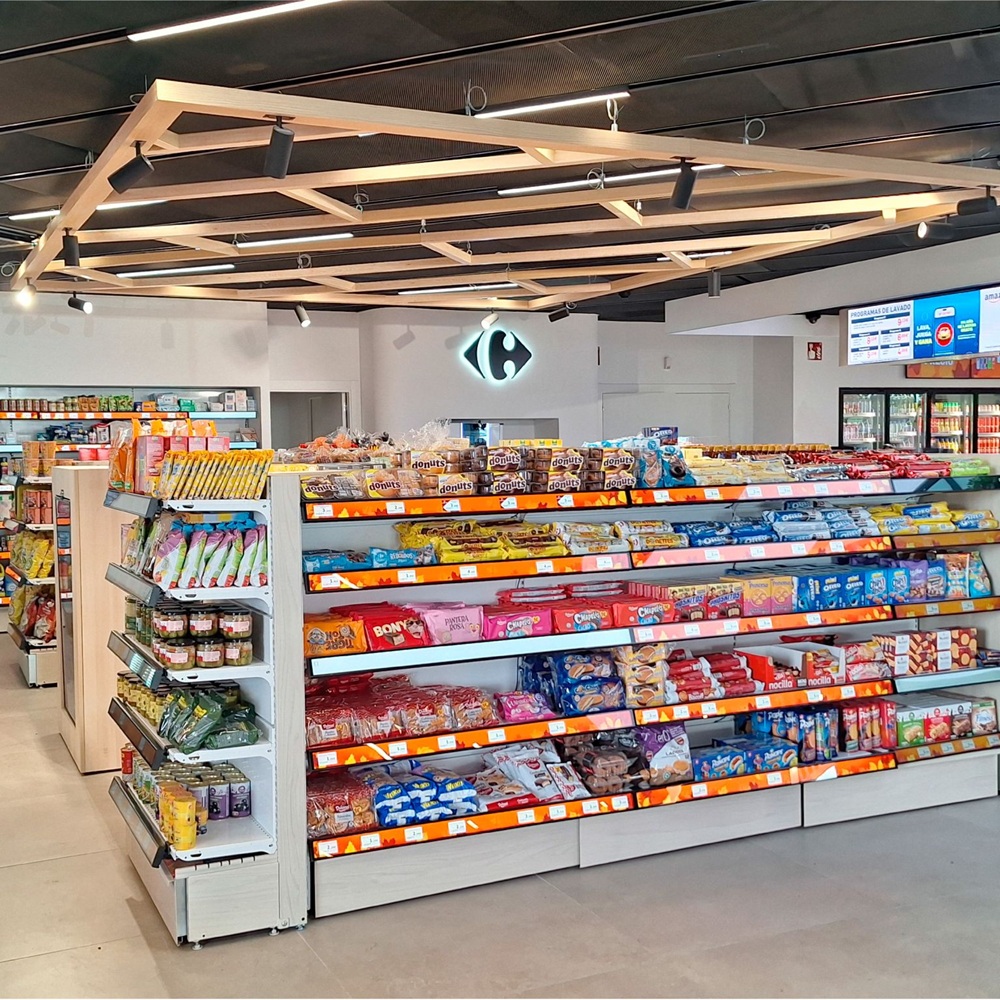
What is a Shelf Edge LCD Display
A Comprehensive Guide to Retail’s “Digital Signage at the Point of Decision”
In the fast-paced world of retail, capturing consumer attention at the point of decision is critical. Enter shelf edge LCD displays, a transformative technology that bridges the gap between traditional in-store merchandising and dynamic digital engagement. Unlike static price tags or generic store banners, these screens are strategically positioned along shelf edges, delivering targeted content directly to shoppers as they browse products. This guide explores what shelf edge displays are, how they work, their benefits, and why they’re reshaping retail strategies.
1. Defining Shelf Edge LCD Displays
A shelf edge LCD display (also known as a retail edge display) is a compact, high-resolution screen mounted vertically along the front edge of a retail shelf. These screens leverage in-store digital signage technology to showcase real-time promotions, product information, videos, or interactive content. Unlike electronic shelf labels (ESLs)—which primarily update prices digitally—shelf edge displays focus on engagement rather than transactional data. They act as mini billboards at the shelf level, designed to influence purchasing decisions in the final moments before a customer picks up an item.
Key Features:
Location: Positioned at eye level on shelf fronts, ensuring visibility during browsing.
Content Flexibility: Supports images, animations, video loops, QR codes, and even touch-based interactions.
Real-Time Updates: Content can be changed remotely via cloud-based software, enabling rapid response to sales trends or inventory changes.
Integration: Often linked to store management systems for automated promotions or stock alerts.
2. Why Retailers Need Shelf Edge Displays
The shift from analog to digital retail environments has been driven by two core factors: consumer behavior and operational efficiency. Here’s how shelf edge displays address both:
2.1 Enhancing Customer Experience
Dynamic Promotions: Flash discounts, limited-time offers, or seasonal campaigns appear instantly, creating urgency.
Product Education: Detailed specs, ingredient lists, or usage tips reduce reliance on staff assistance.
Visual Storytelling: Brands can showcase product origin stories, sustainability efforts, or user testimonials through engaging visuals.
Interactive Elements: QR codes linking to loyalty programs, recipe ideas, or augmented reality experiences boost engagement.
2.2 Operational Benefits
Reduced Labor Costs: Eliminates manual sign updates; content is managed centrally.
Data-Driven Decisions: Screens can track viewer dwell time or click-through rates, offering insights into campaign effectiveness.
Space Optimization: Replaces bulky printed materials with sleek, space-saving digital alternatives.
Compliance Management: Ensures consistent messaging across stores, avoiding errors in pricing or promotions.
3. How Do They Work? Technical Breakdown
Implementing shelf edge displays involves three key components:
3.1 Hardware
Screens: Typically 7–15 inches diagonal, with anti-glare coatings for readability under store lighting.
Media Players: Small devices connected to each screen, storing content and connecting to Wi-Fi or Ethernet.
Mounting Systems: Custom brackets secure screens to shelves without obstructing products.
3.2 Software
Content Management Systems (CMS): Cloud-based platforms allow retailers to schedule, edit, and distribute content across multiple locations.
Analytics Tools: Track metrics like screen views, interaction rates, and conversion uplifts.
3.3 Connectivity
Network Infrastructure: Requires stable internet access for remote updates; some systems use cellular backup for reliability.
API Integrations: Sync with POS systems, CRM tools, or inventory databases to personalize content (e.g., promoting low-stock items).
4. Real-World Applications
Shelf edge displays aren’t just for big-box stores—they’re versatile across retail verticals:
4.1 Grocery Stores
Highlight perishable deals (e.g., “Buy one, get one free” on fresh produce).
Display cooking tips for meal kits or premium ingredients.
4.2 Electronics Retail
Showcase product demos (e.g., a smartphone’s camera features) without requiring physical prototypes.
Compare specs side-by-side for competing models.
4.3 Apparel & Beauty
Loop fashion looks or makeup tutorials to inspire purchases.
Promote bundle deals (e.g., “Buy this shirt + get 20% off accessories”).
4.4 Pharmacies
Educate customers about OTC medications or health supplements.
Cross-promote related products (e.g., sunscreen next to bug spray).
5. Case Studies: Success Stories
Example 1: Walmart’s “Smart Shelves” Pilot
Walmart tested shelf edge displays in select U.S. stores, using them to promote clearance items and highlight local brands. Results showed a 15% increase in impulse buys near screens.
Example 2: Carrefour’s Interactive Beauty Stations
French retailer Carrefour installed touchscreen-enabled shelf displays allowing customers to scan beauty products for reviews, tutorials, and virtual try-ons. Engagement rates soared, with 30% more time spent in the cosmetics aisle.
6. Challenges & Considerations
While shelf edge displays offer clear advantages, retailers must navigate potential hurdles:
Cost: Initial investment in hardware and software can be steep, though ROI often materializes within 12–18 months.
Content Design: Poorly designed visuals or overwhelming text may deter shoppers; simplicity and relevance are key.
Privacy Concerns: Cameras or sensors integrated into screens (for tracking demographics) require transparent opt-in policies.
Maintenance: Regular cleaning and firmware updates are necessary to avoid technical issues.
7. The Future of Shelf Edge Technology
As AI and IoT advance, expect shelf edge displays to become even smarter:
AI-Powered Personalization: Screens could detect shopper demographics (via facial recognition) and tailor ads in real time.
Voice Integration: Customers might ask questions (“Where’s the gluten-free bread?”) and receive spoken directions.
Blockchain Verification: For luxury goods, screens could display blockchain-certified authenticity details.
Conclusion
Shelf edge LCD displays represent a pivotal step in retail’s digital transformation. By combining strategic placement, dynamic content, and actionable data, they empower brands to turn every shelf into a storytelling platform. As competition intensifies, retailers who master this technology will not only drive sales but also redefine how consumers interact with physical stores. Whether you’re a small boutique or a global chain, investing in shelf edge displays means investing in the future of retail engagement.


Leave A Comment